
eCommerce Returns: Strategy, Customer Experience and Practical Management
For an independent fashion or lifestyle brand, eCommerce returns are easy to treat as a cost to be tolerated, a bit of admin that happens after the sale. That view is expensive. In fashion, returns run higher than in almost any other category, because fit and colour are so hard to judge on a screen, and every returned parcel carries shipping, handling and the risk of a markdown that eats into already tight margin.
Looked at differently, returns are one of the few levers a smaller brand fully controls. The brands that handle them well do two things at once: they reduce returns that should never have happened, and they turn the ones that do into repeat purchases and a reason for the customer to come back. That combination protects margin and builds customer loyalty, and it rarely costs more than getting the product pages, the policy and the post-purchase journey right.
This Insight sets out how to treat eCommerce returns as a deliberate growth and margin decision rather than an operational afterthought, from helping customers buy correctly the first time to designing a returns experience that keeps revenue in the business and customers coming back.
Key takeaways
- Online apparel return rates run between 20% and 40%, far above the roughly 8 to 10% seen in physical retail, so returns are one of the largest levers an independent fashion brand has over its own margin (National Retail Federation; Statista).
- A returns experience that is clear, fair and easy to use builds the trust that drives the first purchase, and the confidence that drives the next one. Around 71% of consumers say they are less likely to shop with a retailer again after a poor returns experience (National Retail Federation, 2025).
- The most profitable returns are the ones that never happen. Better fit guidance, honest product detail and accurate imagery reduce avoidable returns at source.
- Exchanges and store credit protect revenue that a straight refund gives away, while still leaving the customer feeling looked after.
- Dazze Studio helps fashion and lifestyle brands reduce avoidable eCommerce returns and design post-purchase journeys that protect margin.
Why returns decide profit, not just logistics
For an independent fashion or lifestyle brand, returns are where margin quietly disappears. Online apparel return rates are estimated at between 20% and 40%, against roughly 8 to 10% in physical retail, and UK fashion sits near the top of that range because fit and sizing are so hard to judge on a screen (National Retail Federation; Statista; British Fashion Council). Every returned parcel carries the cost of outbound shipping, return carriage, inspection, repackaging and, often, a markdown if the item cannot go back to full-price stock.
That makes your approach to eCommerce returns a commercial decision, not a help-page detail. Handled poorly, returns erode the margin you can least afford to lose and quietly push customers towards brands that make the process easier. Handled well, a return becomes the moment a shopper decides to trust you, and a confident returns experience is one of the strongest reasons they come back.
This Insight treats returns the way an independent fashion or lifestyle brand should: as a lever you design deliberately to protect margin, reduce avoidable returns and turn a difficult moment into repeat custom, in the same way that high-performing eCommerce brands and stores are built deliberately rather than by accident.
Returns build the trust that drives the sale
Shoppers read your return policy before they buy, not after. More than 80% of online shoppers check the returns terms before deciding where to spend, and 82% now name free returns as a major consideration when making a purchase, up from 76% the year before (National Retail Federation, 2025). Your policy is doing sales work long before any parcel moves. A clear, fair policy removes the risk a customer feels when buying from a brand they do not yet know.
This matters more for independent brands than for the marketplaces they compete with. You may not match a giant on delivery speed or free-returns budgets, but you can offer a returns experience that feels considered and human, and make it part of the wider customer experience rather than a grudging exception to it. Plain language about timeframes, condition and refund timing does more for conversion than any reassurance banner, because it answers the question the customer is actually asking: what happens if this is not right?
A 30-day window is the common standard. Extending it can lift confidence, but the right window for your brand depends on your margin and your category. The goal is not the most generous policy on the market. It is a policy your customers trust and your business can sustain.

A returns approach that protects margin while keeping customers loyal starts with strategy, not software. We help independent fashion brands design that approach from the ground up View our services.
What good eCommerce returns management looks like
It helps to see eCommerce returns as a single journey rather than a policy and a postal label bolted together.
Step-by-step returns process
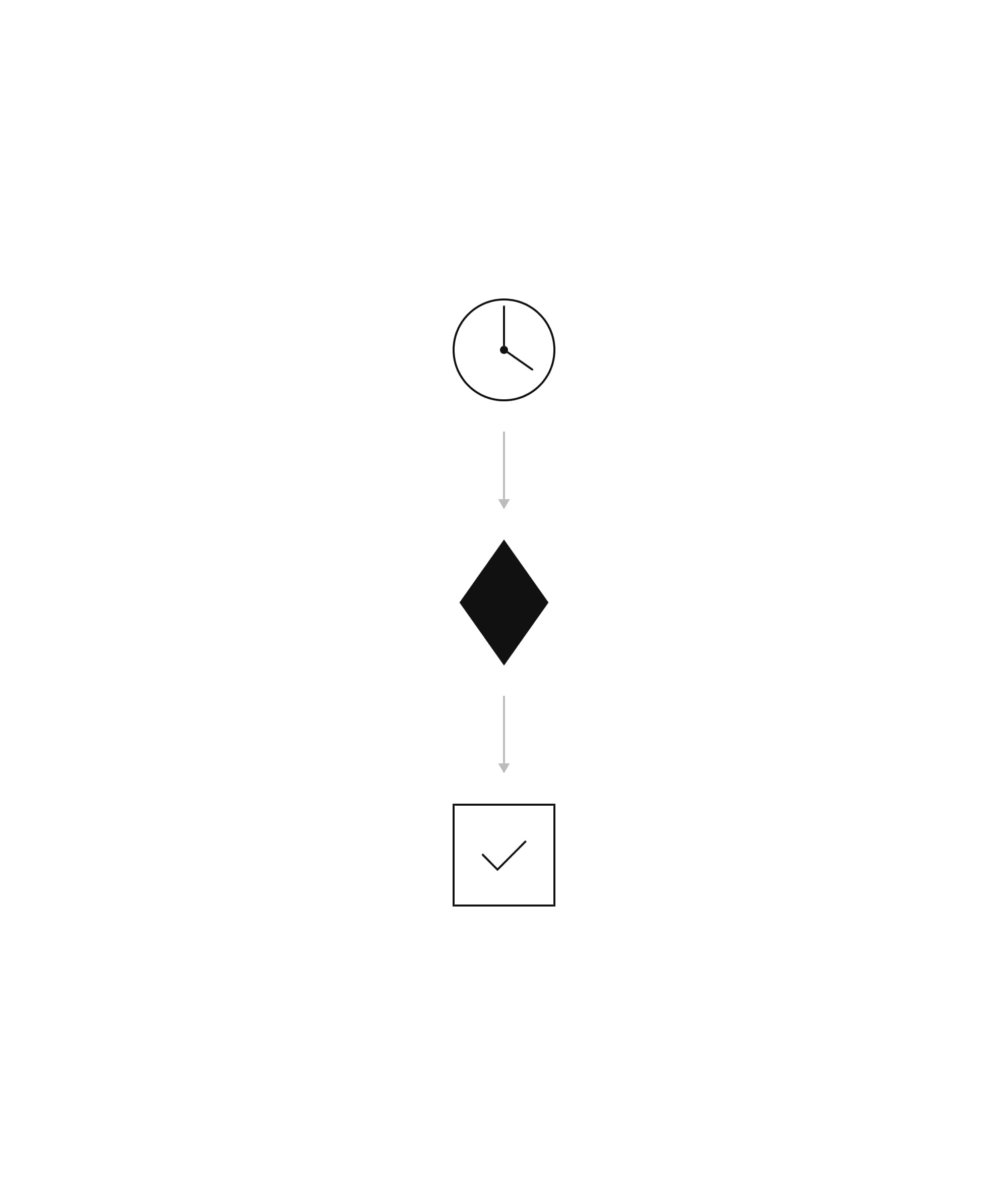
Good eCommerce returns management runs the whole returns journey in clear steps: the customer requests a return and selects a reason, you approve it and generate shipping labels or offer a paperless drop-off, the item comes back, you inspect it, and you resolve it as a refund, exchange or store credit. Each step is a chance to keep the customer rather than lose them.
Starting small and scaling
For a smaller brand, this does not mean enterprise software on day one. A simple branded returns process with a clear return label and honest timelines is enough to start. As order volume grows, a dedicated returns portal that lets customers self-serve, choose a reason and track progress reduces the load on your customer service teams and speeds up refunds, much like investing in comprehensive eCommerce design and development services for the rest of your store. The aim is consistent, low-friction online returns that feel like part of the store, not a separate chore.
The most profitable return is the one that never happens
The single biggest improvement most independent fashion brands can make is to help customers buy correctly the first time. Avoidable returns, the wrong size, the wrong colour, the not-as-expected, are a product and content problem before they are a logistics one, and addressing them is the most reliable way to reduce returns without touching your policy at all.
Product pages that set honest expectations
Strong product pages do the heavy lifting here. High quality photos from multiple angles, realistic colour, clear scale and lifestyle context all close the gap between expectation and reality, and detailed product descriptions are widely found to reduce returns by setting accurate expectations before the order is placed. Looking at proven eCommerce projects that improved conversion and customer experience is often the fastest way to see what “good” looks like in practice. Honest detail covering measurements, materials, fit and care guides customers towards the right choice and heads off the returns that begin with disappointment at the doorstep.
Fit and sizing support
Fit guidance is where fashion and footwear brands win or lose. Centimetre-based size guides, model measurements, fit notes, and reviews that mention sizing all help a shopper choose correctly before they commit. Fit finders, virtual try-on and quick answers from your support team give customers approaching a new brand the confidence to pick the right size rather than ordering two and sending one back. Better buying support lifts conversion and average order value (AOV) at the same time as it cuts returns.
Protect revenue with exchanges and store credit
When a return does happen, the difference between a refund and an exchange is the difference between losing the sale and keeping it. A returns flow that leads with exchange or store credit, rather than defaulting to a card refund, retains revenue while still giving the customer a fair outcome.
The data backs this up. Around 71% of consumers say they are less likely to shop with a retailer again after a poor returns experience, and 57% say they would not return to a retailer that charged them for a return, up sharply from 40% the year before (National Retail Federation, 2025). In other words, the returns experience is a retention lever, while the return rate itself is largely fixed by your category.
Done with care, an exchange-first flow never feels like a barrier. The customer who wanted a different size gets the right one. The customer who changed their mind keeps credit to spend with you again. Thresholds, loyalty benefits and free exchanges all give you room to defend margin without making genuine customers feel penalised. The principle is simple: make the easy, on-brand option the one that also protects your revenue, and treat each exchange as part of the customer experience rather than a lost sale.

Turning refunds into exchanges and retained revenue depends on how your store is built. We design WooCommerce flows that protect revenue without frustrating genuine customers. Get in touch.
Design the returns experience as part of the brand
Returns should feel like part of your store, not a hidden process a customer has to chase. Link your policy from product pages, checkout, confirmation emails and the footer, so it is never hard to find. Keep the returns portal, emails and tracking pages on brand and in plain language, consistent with the rest of your results-driven eCommerce experience.
A good self-service flow lets a customer choose an item, select a reason and pick refund, exchange or store credit without emailing support for a basic request. Real time tracking and clear progress updates reduce the anxious “where is my refund?” messages, ease the load on your customer service teams, and reassure shoppers, including the potential customers still deciding whether to buy in the first place. Every one of these post purchase touchpoints is a chance to show the same care that went into the sale.

A returns experience that feels part of the store, not a separate chore, is a design decision as much as an operational one. We build both for independent brands. View our services.
Set expectations and stay compliant
A clear policy is also a protective one, and it needs to sit alongside the law rather than against it. In the United Kingdom, the Consumer Rights Act 2015 gives customers a 30-day short-term right to reject faulty goods and claim a full refund. Separately, the Consumer Contracts Regulations give online shoppers a 14-day right to cancel most orders and return them, whether or not anything is wrong with the item, so your policy wording should account for both rather than treating returns as discretionary goodwill.
What your policy must cover
An effective eCommerce returns policy states the timeframe, the condition standards, proof of purchase, and the exceptions that genuinely need them: hygiene-sensitive goods, personalised items, and high value or bulky products. Concrete examples reduce confusion, so spell out how worn footwear, opened items, damaged deliveries or incorrect sizes are handled rather than leaving customers to guess.
Review the policy at least once a year against your own returns data. If customers keep returning the same product for the same reason, the policy is not the problem. The product page, the sizing or the quality is, and studying award-winning eCommerce projects and interfaces can help you benchmark where your experience may be falling short.
A modern returns policy at a glance
| Element | What to cover |
|---|---|
| Timeframe | 14, 30, 60 or 90 days, set against your margin |
| Condition | Tags attached, unworn, original packaging |
| Refund method | Card refund, exchange or store credit |
| Charges | Free, fixed return fee, or customer-paid shipping |
| Exceptions | Hygiene, personalised, bulky or high-value goods |
| Cross-border | Duties, tax deductions and realistic timelines |
Reduce fraud without punishing genuine customers
Return fraud is real, and includes wardrobing, bracketing, empty-box claims and false damage reports. The aim of any control is narrow: protect margin against the small number of customers acting in bad faith, without adding friction for the overwhelming majority acting in good faith. Retailers lean on specific policy structures to defend revenue and limit return fraud while keeping the experience fair.
Practical controls that stay fair
Sensible, proportionate controls do this well. Photo evidence for damage claims, inspection rules for high value items, and refunds-after-inspection for risky categories all protect the business while leaving the standard experience fast and easy. Where abuse is repeated, return fees or limits in higher-risk categories can be applied where lawful. The principle throughout is to segment by customer behaviour, not to make everyone’s return harder.
Cross-border returns, kept proportionate
If you sell internationally, international returns get more complex: customs paperwork, duties, tax handling and longer transit times all come into play, and unclear timelines or deductions can deter overseas buyers. For most independent brands, the practical answer is to be transparent about duties, tax and refund timing before checkout, and to consider local return addresses or a regional reverse logistics partner only once order volume in a market justifies it. Guidance from an experienced international eCommerce and branding studio can help you judge when that tipping point arrives. Keep it proportionate to where your customers actually are, rather than building for scale you do not yet have.
Returns, sustainability and your brand
Environmental impact of returns
Returns carry an environmental cost as well as a financial one: transport, packaging, and the waste created when items cannot be resold. For fashion and lifestyle brands, this is increasingly something customers care about. Surveys by IBM with the National Retail Federation found that between half and two-thirds of consumers say they will pay more for sustainable products, rising to around 80% among 18-to-34 year-olds, and PwC’s 2024 survey of more than 20,000 shoppers found people willing to spend roughly 10% more on sustainably produced or sourced goods.
Making returns more sustainable
The work that reduces avoidable returns is the same work that makes returns more sustainable. Fewer wrong-size orders means fewer parcels shipped both ways. Exchange-first flows keep products in use rather than written off. Resale and repair options, where they fit your brand, keep stock out of landfill. Experience from innovative retail concepts like LN-CC’s hybrid store and online platform shows how a distinctive brand and operational approach can turn these choices into a real point of difference. Handled openly, a more sustainable approach to returns can become a genuine point of difference, not a cost centre, and it tends to appeal most to exactly the customers independent fashion brands want to keep.
Turn returns data into better products
Every return carries insight, and it is some of the most honest feedback you will get. Treating eCommerce returns as a data source, rather than just a cost, is what separates brands that keep improving from those that keep absorbing the same losses. Capture a structured reason for each one: wrong size, faulty, not as described, late, changed mind, incorrect item. Then track return rates by product, channel and customer group.
That data tells you which products have a sizing problem, which suppliers have a quality issue, and which product photos are setting the wrong expectation. Acting on it is how you cut avoidable returns at source, the work that protects margin most.
Worth monitoring:
- Return rate by category and channel
- Cost per return
- Time to refund
- Share of returns resold at full price
- Reasons by product
- Repeat-purchase rate after a return
- Effect on customer lifetime value (CLV)
Reviewed regularly across the team, these numbers turn returns from a cost you absorb into a signal you use.

Most stores collect returns data but never act on it. We help brands turn returns reasons and rates into product and page fixes that cut avoidable returns. Get in touch.
How Dazze Studio helps
We work with independent fashion, lifestyle and retail brands, where return rates, customer expectations and margin pressure are tightly linked. Our focus is on the work that reduces avoidable returns and protects revenue: clearer product pages and fit guidance, conversion-focused user experience, and post purchase journeys that feel like part of the store rather than a separate process. Our collaboration with Uniform Wares, where we redesigned their basket and checkout to deliver a 40% uplift in conversions and higher revenue, is one example of how this approach performs under pressure. Handled this way, returns become a competitive advantage rather than a cost, and for the online retailers we work with, a returns experience built properly on WooCommerce or Shopify can defend margin while keeping customers loyal.
If returns are eating into your margin and you want a store that helps customers buy right the first time, we would love to talk.
Frequently asked questions
What is an eCommerce return?
An eCommerce return is when a customer sends back an item they bought online, for a refund, an exchange or store credit. It covers the whole journey from the customer requesting the return, through sending the item back, to the brand receiving, inspecting and resolving it. For fashion and lifestyle brands, returns are a routine part of selling online rather than an exception, which is why they are worth designing deliberately.
What is the eCommerce return process?
A typical process runs in clear steps: the customer requests a return and chooses a reason, the brand approves it and issues a return label or a paperless option, the customer sends the item back or drops it off, the brand receives and inspects it, and the resolution follows as a refund, exchange or store credit. The smoother and more transparent each step, the more likely the customer is to buy again.
What is the law on returning online items in the UK?
Two main rules apply. The Consumer Rights Act 2015 gives customers a 30-day short-term right to reject faulty goods and claim a full refund. Separately, the Consumer Contracts Regulations give online shoppers a 14-day right to cancel most orders and return them even if nothing is wrong with the item, with some exceptions such as personalised or hygiene-sensitive goods. Your published policy can be more generous than the law, but it should never promise less.
What is a reasonable return rate for a fashion brand?
Online apparel and footwear often sit between 20% and 40%, higher than most other categories because of fit and sizing (National Retail Federation; Statista). Rather than chasing one universal target, focus on reducing avoidable returns: the wrong size, wrong colour and not-as-expected.
Should I offer free returns to everyone?
Not always. Free returns can support loyalty, but blanket free returns can be hard to sustain for an independent brand. Thresholds, loyalty benefits, exchanges and store credit let you balance customer trust against the cost.
How fast should I issue refunds?
Many customers expect a refund within a few days of the parcel being scanned. Set internal service levels for inspection, and send proactive updates when a refund depends on a warehouse check.
How do I reduce avoidable returns?
Help customers buy correctly first time: accurate sizing guidance, honest descriptions and realistic photography. Then use your returns data to fix the specific products and pages driving returns.
What technology do I need?
A smaller brand can start with a branded returns form and a clear manual process. As volume grows, a returns system connected to your eCommerce platform, warehouse and email tools makes faster refunds and exchanges practical.