
eCommerce Email Marketing in 2026: A Practical Guide for Online Stores
Email marketing remains the highest return channel available to eCommerce businesses in 2026. While paid ads costs continue climbing year on year, a well-structured email programme consistently delivers significant revenue for every pound invested. Email marketing has an average return on investment of 3,800%, making it one of the most effective marketing channels available to eCommerce brands, significantly outperforming social media and paid ads. This guide walks through how to build an eCommerce email marketing strategy that drives measurable, compounding revenue for your online store.
Key Takeaways
- eCommerce email marketing continues to outperform other marketing channels in 2026. High-performing stores generate 25 to 40% of total revenue from email when lifecycle flows are properly configured.
- A modern eCommerce email marketing strategy must cover the full customer lifecycle: acquisition through a welcome series, conversion through abandoned cart and browse abandonment flows, and retention through post-purchase sequences and win-back campaigns.
- eCommerce email automation removes manual work while delivering personalised email campaigns at scale. This is particularly valuable for small teams managing stores under £10M in annual revenue.
- Dazze Studio builds WooCommerce and Shopify stores with integrated email flows, connecting email marketing software like Klaviyo directly into the store’s design system for a consistent customer experience across all touchpoints.
- This guide provides concrete campaign ideas, realistic 2026 benchmarks, and practical steps a small to mid-sized brand can implement within 30 to 60 days.
What is eCommerce Email Marketing (and Why It Matters in 2026)
Email marketing for online stores is the practice of using email to acquire customers, increase average order value, and drive repeat purchases. Unlike social or paid ads, email is an owned channel. You control your subscriber list regardless of algorithm changes or rising costs on paid platforms.
Email marketing for eCommerce focuses on shifting from generic mass messaging to a data-driven, automated system that guides customers through their unique shopping journey. This shift is what separates stores generating 5% of revenue from email from those generating 35%.
Effective eCommerce email marketing helps strengthen customer relationships across every stage of the journey, from first impression to long-term loyalty. Industry benchmarks consistently show email delivering strong return on investment, making it one of the most effective marketing channels available to eCommerce brands in 2026. This efficiency becomes increasingly valuable as customer acquisition costs rise across paid channels.
Two core categories of eCommerce email exist. Transactional emails include order confirmations, shipping notifications, and delivery updates. These are expected and carry exceptionally high open rates. Marketing and promotional emails encompass campaigns and automated flows designed to drive sales and strengthen customer relationships.
At Dazze Studio, we treat email as part of the overall eCommerce experience rather than a bolt-on channel. Our eCommerce branding, web design, development, and automation services ensure design, tone, and messaging feel consistent with your online store, creating continuity from first click through to post-purchase follow ups.

If you want to see how email marketing performs as part of a broader eCommerce strategy, the APOC Store case study shows what well-structured Klaviyo flows can deliver.
Core Types of eCommerce Email Campaigns You Need
High-performing stores in 2026 run a mix of automated lifecycle flows alongside one-off eCommerce email campaigns. The flows handle ongoing customer journey touchpoints automatically, while campaigns address seasonal moments and promotional activity.
Welcome Series serves as your first impression with new subscribers. This flow triggers immediately upon sign-up, typically consisting of two to four emails over seven to ten days. A common structure includes a brand story plus incentive in the first email, social proof and bestsellers in the second, and a reminder before the discount expires in the third. For a fashion brand, this might look like a three-part welcome flow with a 10% first-order incentive valid for seven days.
Abandoned Cart Flow targets potential customers who added items but did not complete checkout. This is among the highest return automations available. Nearly 70% of online shopping carts are abandoned, making abandoned cart reminders a crucial tool to recover lost sales, typically recovering 10 to 20% of that revenue through two to three emails sent over 24 to 72 hours. Include product images, pricing, and a direct return-to-cart link.
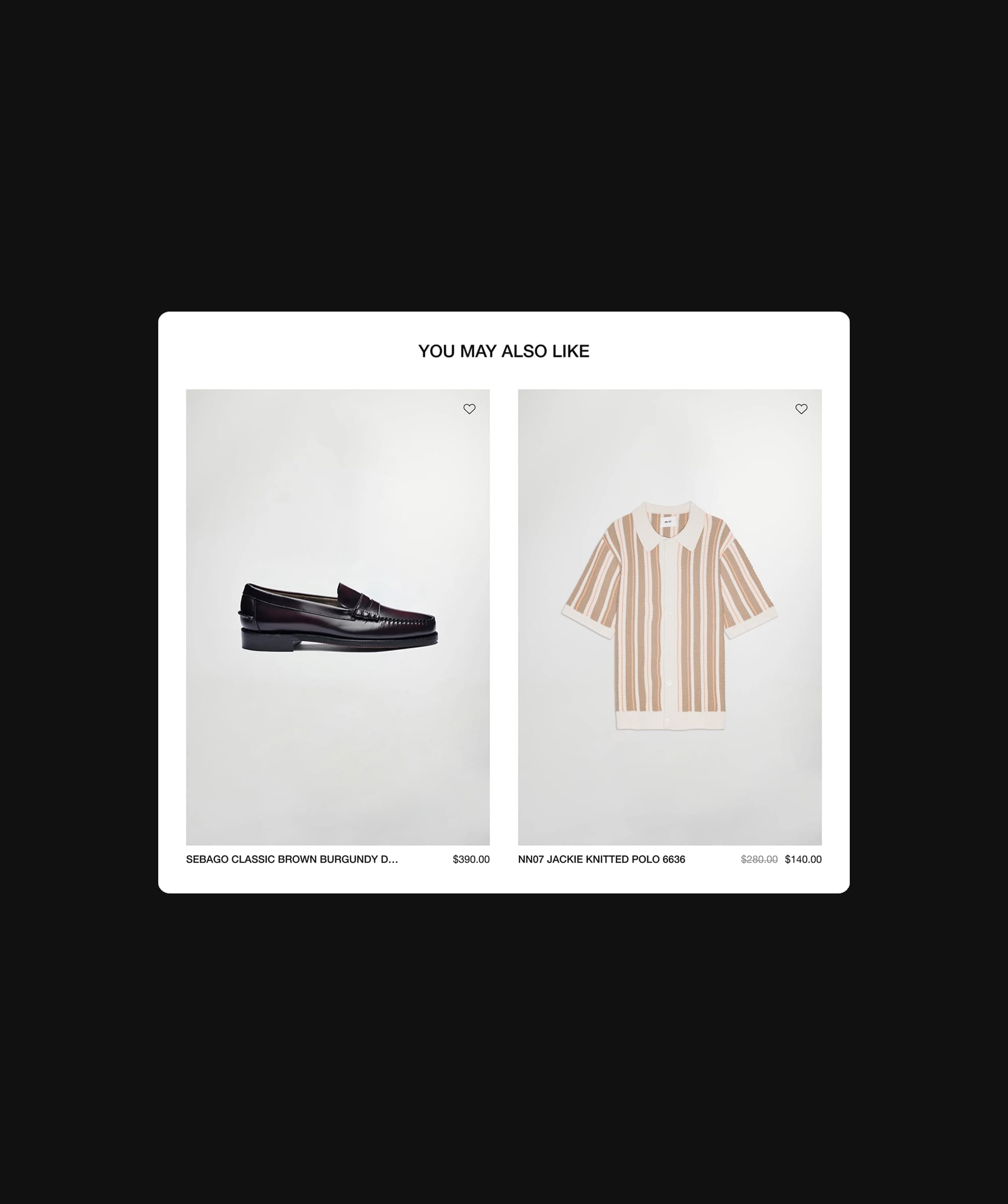
Browse Abandonment captures high-intent visitors who viewed products or categories without adding to cart. A one to two email sequence featuring recently viewed items alongside similar products helps recover lost sales from visitors who browsed but did not act.
Post-Purchase Email Sequence transforms first-time buyers into loyal customers through product education, care instructions, review requests, and cross-sell recommendations. These post-purchase emails improve repeat purchase rates and reduce returns.
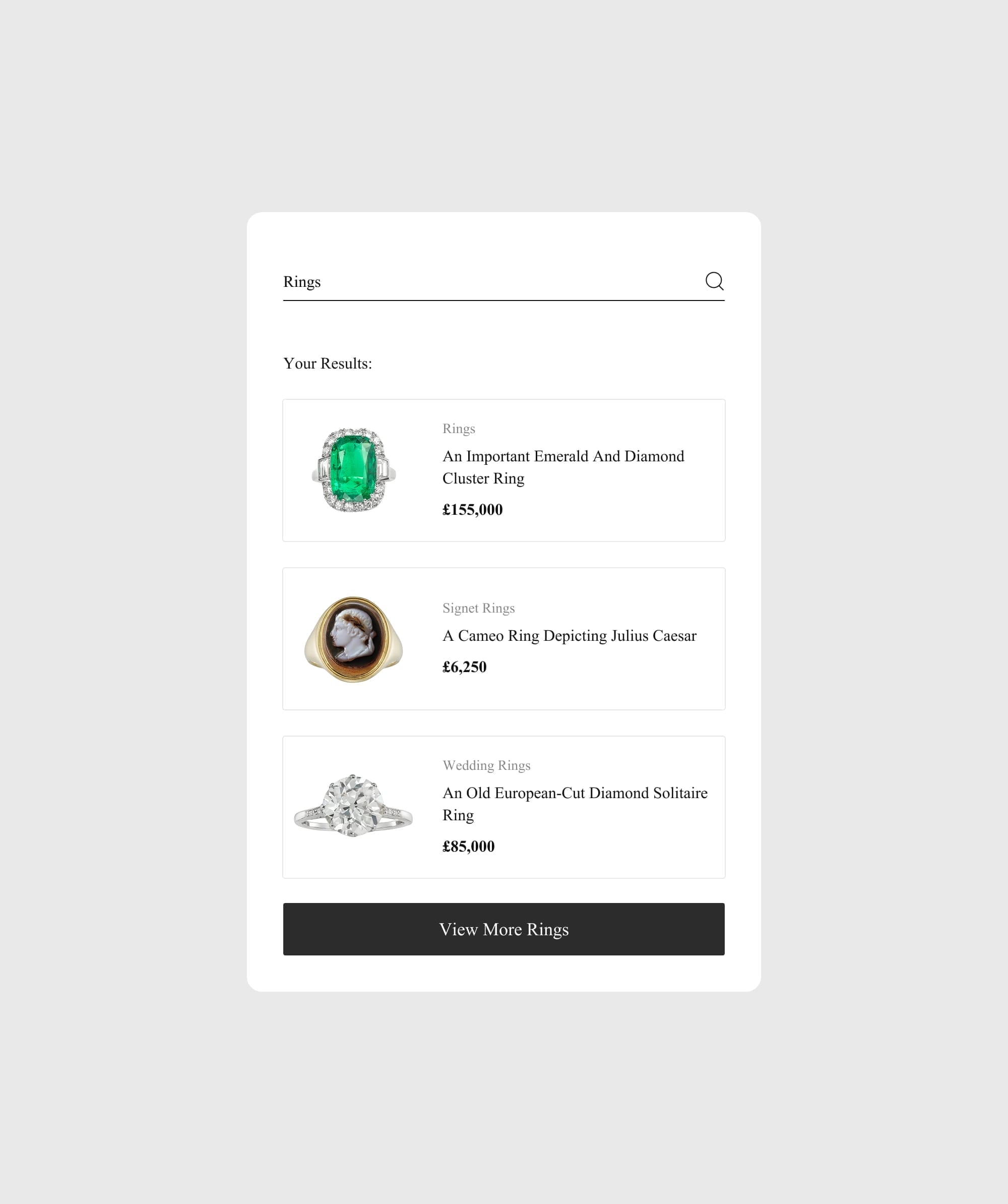
Product Recommendation Emails use purchase history and browsing behaviour to suggest relevant products, encouraging repeat purchases through personalised suggestions rather than generic promotional emails. Using personalised product recommendations based on past purchases can significantly enhance the shopping experience.
Re-Engagement Emails and Win-Back Campaigns target dormant customers and inactive subscribers with incentives to return. These re-engagement emails help recover potentially lost revenue while keeping your list healthy and your sender reputation strong.
Building a Winning eCommerce Email Strategy
A modern eCommerce email marketing strategy is a structured plan encompassing clear goals, a mapped customer journey, a content plan, and an integrated technology stack. This is not about sending occasional newsletters. It is about building a system that runs continuously to drive sales and encourage repeat business.
This section guides you from zero to a basic but robust strategy you can roll out in four to eight weeks, even with a small team.
Set Clear, Revenue-Focused Email Goals
Goals should be specific and time-bound. Rather than “improve email marketing,” aim for “Generate 30% of total online revenue from email in Q3 2026” or “Recover 15% of abandoned carts by December 2026.”
Track three to four practical metrics to measure your email marketing efforts. Email-driven revenue shows total sales attributed to email within your attribution window. Revenue per recipient indicates efficiency. Abandoned cart recovery rate measures flow effectiveness. Repeat purchase rate within 90 days tracks retention success.
These metrics connect eCommerce email marketing efforts directly to business outcomes rather than surface-level figures like list size alone.
Understand and Segment Your Audience
Segment your eCommerce email list by customer behaviour and lifecycle stage rather than demographics alone. Deep segmentation groups lists by purchase history and engagement level to ensure highly relevant content reaches the right subscriber at the right moment. Start with these core segments:
- New subscribers: Joined within the last 30 days. Respond best to welcome sequences and educational content.
- First-time buyers: Completed one purchase. Focus on encouraging the second purchase.
- Repeat customers: Two to three purchases in 12 months. Increasingly valuable and worth treating accordingly.
- VIPs: Four or more orders, or significant lifetime value in the past 12 months. Deserve exclusive treatment and early access to new collections.
- At-risk subscribers: No opens in 90 days but at least one past order. Require a focused win-back sequence.
For WooCommerce and Shopify stores, Klaviyo integration enables automatic segmentation based on store events. Actions like “Added to Wishlist” or “Viewed Category: Dresses” feed directly into segment qualification. First-party customer data becomes increasingly important as third-party tracking diminishes.
Start with three to five core segments rather than dozens. Managing too many micro-segments creates operational complexity without proportional benefit for small teams.
Choose the Right eCommerce Email Tools
The best email marketing software for eCommerce supports deep platform integrations, robust automation, dynamic product feeds, and clear revenue attribution. For WooCommerce and Shopify stores, eCommerce email marketing software like Klaviyo, Omnisend, and Mailchimp for WooCommerce and Shopify offer strong integration capabilities.
Features worth prioritising in 2026 include behaviour-based triggers that respond to customer behaviour automatically, product recommendation blocks pulling from your catalogue, A/B testing capabilities, and predictive segments identifying customers likely to churn or showing high purchase intent. These marketing tools remove the manual work of one-to-one communication while maintaining personalised email campaigns at scale.
Dazze Studio connects email marketing software directly into the store’s design system and analytics tools rather than running email as an isolated channel, applying the same principles used when designing eCommerce websites that convert. This creates a consistent customer experience from website to inbox.

Choosing the right email marketing platform and connecting it properly to your WooCommerce or Shopify store requires more than a trial account. Our Content and Marketing service covers this as part of a full setup.
Map Campaign Types to the Customer Journey
The customer lifecycle breaks into three stages, each requiring a different email approach.
Acquisition Stage focuses on converting visitors into subscribers and establishing the relationship. Priority campaigns include your welcome email series and educational content that builds trust before pushing for a sale.
Conversion Stage drives first purchase from subscribers. Abandoned cart reminders and limited-time offers work well here. Browse abandonment emails capture customers interested in specific products who need a nudge to act.
Retention Stage encompasses everything after the first purchase, and it is the most commercially valuable territory. Post-purchase emails, replenishment flows, product recommendations based on past purchases, and loyalty and rewards emails keep existing customers engaged and buying. A well-crafted email marketing strategy can turn one-time shoppers into loyal customers by delivering timely, relevant messages that build trust while encouraging repeat purchases.

Mapping email to the full customer journey works best when it sits alongside a broader eCommerce growth strategy. Our eCommerce personalisation Insight covers how personalisation and lifecycle marketing connect.
Plan Content and Sending Frequency
Realistic send frequencies for small to mid-sized lists work out to one to two email campaigns per week plus always-on flows. Active subscribers may receive four to six emails weekly across flows and campaigns combined. This is normal and expected when emails provide genuinely relevant content.
Build a 30-day content calendar tied to real retail moments. For the remainder of 2026, consider early summer collections, back-to-school in July and August, and autumn and Christmas preparation from October. Mix promotional, editorial, and community content so not every email is pushing a discount.
For a fashion brand, content ideas might include styling how-to guides for the current season, behind-the-scenes of a new collection, or care instructions for specific fabrics. Dazze Studio typically aligns email content with the site’s homepage storytelling and category launches to maintain a consistent brand experience throughout.
Essential Automated Flows for Online Stores
eCommerce email automation forms the backbone of lifecycle marketing, often driving the majority of email revenue for eCommerce stores under £10M. Automated flows or sequences are triggered by specific customer behaviour, running continuously to capture revenue without manual effort. These flows run continuously, responding to customer actions without manual intervention.
The flows every eCommerce store should have running are: welcome series, abandoned cart, browse abandonment, post-purchase email sequence, and re-engagement emails. Each triggers automatically based on specific customer behaviour.
Welcome Series: Turning New Subscribers into First-Time Buyers
Your welcome email series should consist of two to four emails triggered immediately after sign-up, with the first arriving within five minutes. Welcome series emails are crucial for introducing new subscribers to a brand, setting expectations, and delivering any promised incentives.
Email 1 delivers your brand story and first-purchase incentive. Keep it warm and focused on a single call to action. Email 2, sent one to two days later, showcases social proof through customer testimonials, ratings, and bestsellers to build confidence. Email 3, around day five, reminds subscribers that their discount expires soon, creating genuine urgency to act.
An optional fourth email, sent after the discount expiry, pivots to value-driven content such as styling tips rather than further discounts. This keeps new subscribers engaged without relying on continuous discounting.
Sample subject line: “Welcome to [Brand]. Here’s 10% off your first order (expires Sunday)”
Dazze Studio aligns welcome email designs closely with the site’s hero imagery and typography so the brand experience is consistent from the first interaction.
Abandoned Cart Flow: Recovering Lost Sales
Cart abandonment averages around 65 to 70% in 2026. A well-structured abandoned cart flow can recover lost sales at a rate of 10 to 20% through a multi-step sequence that first reminds, then offers an incentive.
A two to three email sequence works well here. The first reminder triggers one to two hours after abandonment and includes product images, exact prices, and a direct “Return to cart” button. The second email at 24 hours might add customer reviews of the specific items or reference current demand. An optional third email at 48 to 72 hours can introduce a modest incentive if margins allow. Implementing a series of abandoned cart reminders rather than a single email significantly improves recovery rates.
Sample subject lines: “You left something in your cart” or “Still thinking it over? Your cart is waiting”
For WooCommerce and Shopify stores, dynamic cart recovery links work seamlessly through integrations Dazze Studio helps configure during build and setup projects.

Cart abandonment recovery is one of the fastest ways to improve eCommerce revenue without increasing traffic. We configure and integrate these flows as part of our Performance and Growth Support service.
Browse Abandonment: Capturing High-Intent Visitors
Browse abandonment emails trigger when a logged-in user or known subscriber views products or categories but does not add to cart. This captures customers interested in your products before they drift away to a competitor.
Send one to two subtle follow-up emails within 24 to 48 hours. Focus on helpful content and related products rather than aggressive discounts. The tone should be assistive rather than pushy.
Example approach: “Still looking at linen shirts?” followed by a grid of recently viewed items alongside similar products from the same category.
Implement frequency caps so that a subscriber does not receive both browse abandonment and cart abandonment sequences simultaneously. This overlap can feel intrusive and damages customer trust.
Post-Purchase Email Sequence: From First Order to Loyal Customer
Post-purchase emails are one of the most underused and most commercially valuable flows available to independent brands. Post-purchase emails strengthen customer relationships by providing essential transactional information alongside follow-up content that builds loyalty. A three to five email sequence typically covers: order confirmation with related recommendations, shipping notification, product education or care instructions a few days after estimated delivery, a review request to generate user-generated content, and a cross-sell or replenishment recommendation 14 to 30 days after purchase.
For consumable products, replenishment reminders sent shortly before the predicted re-order date drive significant incremental revenue. For apparel, care instructions reduce returns while reinforcing expertise and brand confidence.
Over 90% of shoppers trust peer recommendations over standard advertisements, making user-generated content gathered through post-purchase review requests particularly valuable for eCommerce email marketing campaigns.
Dazze Studio designs transactional and post-purchase marketing emails to share consistent layouts, ensuring continuity from the order confirmation through to future purchase prompts.
Re-Engagement and Win-Back Campaigns
A re-engagement campaign targets subscribers who have not opened or clicked in 60 to 120 days. Re-engagement emails are designed to reconnect with inactive subscribers, often using incentives or updates to encourage them to return. Buyers and non-buyers require different approaches. A lapsed buyer needs a reason to return. A long-dormant non-buyer may need to see something new before they are ready to act.
Structure a two to three touchpoint sequence. Start with a warm “we miss you” message, follow with an incentive or new collection highlight, and conclude with a final notice before removing them from the active list. Include a clear preference option: “Prefer monthly updates rather than weekly? Update your settings here.”
Sample subject line: “Is this goodbye? Here’s 15% off if you stay”
Pruning unengaged subscribers quarterly improves deliverability and protects your sender reputation. Foster customer loyalty with those who engage and suppress those who do not.
Designing High-Converting eCommerce Emails
Design, UX, and brand consistency directly influence click-through rates and conversions. Your eCommerce email campaigns should feel like natural extensions of your online store, not a separate channel with different visual rules. Emails need to guide the reader toward a purchase, incorporating clear conversion architecture to enhance their effectiveness.
Dazze Studio approaches email templates like mini landing pages, reusing components from the Shopify site including buttons, colour palette, and typography, as seen in our work rebuilding APOC STORE’s modular email ecosystem.
Mobile-First Layouts in 2026
Over 60% of emails are opened on mobile devices, making mobile-optimised design with large, tappable call-to-action buttons essential rather than optional. Single-column, mobile-first design is now the standard.
Practical guidelines: body text at 14 to 16px minimum, call-to-action buttons at least 44px high for comfortable touch interaction, generous spacing between elements, and compressed images for faster load times on mobile networks.
Test in dark mode and across the common email clients including Gmail, Apple Mail, and Outlook on both iOS and Android. What looks correct in a desktop preview can break entirely on a phone.
A common improvement we see: simplifying a two-column desktop layout to single-column mobile-first design consistently produces measurable improvements in click-through rates through better usability alone.
Copy, Calls-to-Action, and Visual Hierarchy
eCommerce email copy should be concise, benefit-led, and consistent with the brand voice used across your website and product pages. Each email should focus on one primary message to avoid diluting the reader’s attention. Email subject lines should stay under approximately 45 characters for full mobile display.
Include preheader text that expands on the promise rather than defaulting to “View this email in your browser.” Example: “New in for April 2026. Linen you will live in.”
Use one primary call to action per email, placed above the fold. Secondary calls to action can exist but should be visually de-emphasised to avoid choice overload.
Structure for a product launch email: hero image establishing mood and season, three feature points highlighting benefits, a prominent call-to-action button, and a social proof snippet with customer reviews.
Strong product photography and lifestyle imagery consistently outperform generic stock images. Invest in visuals that engage customers emotionally and encourage customers to explore further.
Email Accessibility
In 2026, accessibility is both a legal and ethical consideration for digital communications including email. Building inclusive emails also tends to improve performance for all readers.
Key practices: sufficient colour contrast (WCAG AA recommends 4.5:1 for normal text), descriptive alt text for images, meaningful link labels rather than “click here,” and a logical heading structure in the email HTML.
Good alt text: “Navy linen shirt with pearl buttons, worn outdoors in natural light.” Bad alt text: “Product image” or left blank entirely.
Avoid text baked into images, as it becomes invisible to screen readers and also fails to load when images are blocked. Dazze Studio designs emails consistent with the broader accessibility standards applied to our clients’ websites.
Optimising Your eCommerce Email Strategy with Data
A solid eCommerce email marketing strategy in 2026 relies on continuous testing and iteration. The analytics tools built into modern email marketing platforms provide the detailed insights needed to understand what is working and where to improve.
Dazze Studio connects email metrics with store analytics tools including GA4 and server-side tracking to attribute revenue accurately across the full customer journey, applying the same data-driven approach used to optimise Uniform Wares’ checkout for higher conversions.
Key Email Metrics and 2026 Benchmarks
Core metrics to track: open rate, click-through rate, conversion rate, revenue per email, bounce rate, unsubscribe rate, and spam complaint rate.
Realistic 2026 benchmarks for business-to-consumer eCommerce: open rate 25 to 35% (accounting for Apple Mail Privacy Protection inflation), click-through rates 2 to 5%, conversion rate 1 to 3%, bounce rate below 2%, and unsubscribe rate below 0.5%. Spam complaints should stay well below 0.1%. Fewer spam complaints typically indicate better targeted email campaigns reaching the right audience with relevant content.
Lifecycle flows including abandoned cart and post-purchase sequences consistently outperform broadcast campaigns on revenue per recipient, often significantly. Trends over time on your own eCommerce store matter more than industry averages.
A/B Testing for Continuous Improvement
Start simple: email subject lines, send times, call-to-action wording, or hero images. One variable at a time.
Specific test ideas for your eCommerce email marketing campaigns: “Discount versus no discount in abandoned cart emails” or “Lifestyle versus product-only hero image.” Compare “Shop Now” versus “View Collection” as call-to-action copy.
Avoid making decisions on tests with fewer than 1,000 recipients where list size allows. Small sample sizes produce unreliable results.
Simple workflow: form a hypothesis, run the test for one to two sends, analyse results, roll out the winner, then test the next variable. Log test results so the team does not repeat the same experiments each season.
Using Predictive and Lifecycle Analytics
Modern email marketing platforms in 2026 provide predictive scores including likelihood to purchase, churn risk, and predicted next order date. These power more sophisticated lifecycle marketing without requiring specialist data skills.
Practical applications include targeting high-intent visitors with early access to a new collection, or sending replenishment reminders a few days before predicted re-order date for consumable products. Segmentation and personalisation allow brands to tailor their messages based on customer behaviour, preferences, and purchase history, enhancing customer engagement and fostering customer loyalty.
Small to mid-sized brands do not need complex data teams. Much of this functionality is straightforward to configure in platforms like Klaviyo when properly set up with historical store data.
Dazze Studio typically configures these predictive segments during store redesign or migration projects, making advanced capabilities accessible from the outset.
Compliance, Deliverability, and List Hygiene
High deliverability is foundational. If emails land in spam, design and copy become irrelevant. Everything else you have built depends on actually reaching subscriber inboxes.
Compliance should be treated as part of the customer experience rather than a legal checkbox. Transparent practices build customer trust while protecting your sender reputation.
Consent and Regulatory Basics
Key principles from GDPR, UK GDPR, and CAN-SPAM include obtaining clear consent, providing easy unsubscribe mechanisms, including a physical address, and using honest email subject lines.
Double opt-in for new subscribers improves list quality and reduces spam traps and bots. This is particularly important for EU and UK audiences. Use clear language at sign-up: “You will receive weekly style tips and exclusive offers” rather than a vague promise of “updates.”
List Cleaning and Engagement Management
Removing inactive subscribers improves deliverability and inbox placement, even if total list size decreases. Inbox providers reward senders whose recipients actually engage with what they receive.
Establish a routine every three to six months to identify subscribers who have not opened or clicked in 90 to 180 days. Run them through re-engagement emails first. If they remain inactive, suppress them from marketing sends while continuing to send transactional emails as required.
Smaller, engaged lists consistently outperform larger, disengaged ones on every meaningful metric. Regularly removing unresponsive contacts helps maintain a healthy email list, which in turn improves customer engagement and deliverability rates.
Dazze Studio often builds this hygiene workflow directly into email platform setups for clients, automating the process of ongoing list maintenance, similar to how we restructured Alex Eagle’s email marketing templates and flows.
Integrating Email with Your eCommerce Experience
Email works best when tightly integrated with the store’s UX, on-site messaging, and broader marketing channels. Isolated email marketing efforts miss opportunities to create a coherent brand experience and strengthen customer relationships at every touchpoint.
As an eCommerce agency, Dazze Studio focuses on this end-to-end integration when designing or building WooCommerce and Shopify stores.
On-Site Capture and Lead Magnets
Collect email addresses through multiple touchpoints: exit-intent pop-ups triggered when visitors move to leave, embedded forms within content, footer forms for passive capture, and checkout opt-ins during purchase.
Effective incentives include 10 to 15% off a first order, early access to a new collection, or entry into a monthly giveaway depending on brand margins and positioning. Early access offers are particularly effective for fashion and lifestyle eCommerce brands, where new arrivals and seasonal drops drive genuine excitement.
Limit form fields to email and optionally first name for higher conversion rates. Lengthy forms reduce sign-ups significantly. Style forms consistently with the rest of your site design. This consistency builds trust and improves completion rates.
Omnichannel Journeys: Email, SMS Marketing, and Social
Email works alongside SMS marketing for time-sensitive alerts and social channels for storytelling and user-generated content. Coordinating these touchpoints delivers more impact than running them independently across disconnected channels.
Example omnichannel flow for a peak trading period: Teaser content on Instagram Stories building anticipation, early access email to core subscribers with a 48-hour preview, final SMS to VIPs announcing the last 12 hours.
Use consistent creative assets and messaging across channels to reinforce the brand rather than create confusion. The website, email, and social content should feel like parts of the same conversation. This coordinated approach to marketing channels improves overall customer engagement and drives better results from each individual channel.
How Dazze Studio Helps Brands Build High-Performing Email Programmes
Dazze Studio works with independent fashion and lifestyle brands to integrate email within broader eCommerce WooCommerce and Shopify projects, drawing on our award-winning eCommerce and branding experience. Email is not treated as an afterthought. It is part of the core commercial strategy from the start, directly connected to how we build and optimise eCommerce stores.
A typical engagement begins with an audit of the current eCommerce store and email setup: templates, automations, list health, and analytics connections, often referencing patterns from our portfolio of eCommerce design and build projects. This reveals immediate opportunities and any technical issues worth resolving before building on top of them.
Areas of support include designing responsive email templates that match your brand identity, setting up essential lifecycle flows including welcome, cart recovery, and post-purchase email sequences, integrating eCommerce email marketing software with WooCommerce or Shopify data, and creating initial campaign calendars aligned with your trading plan, informed by results from high-performing client projects.
Example timeline: Within six weeks, welcome, cart, and post-purchase sequences established alongside refreshed templates ready for ongoing eCommerce email marketing campaigns.
If you would like to review your current eCommerce email marketing programme and store experience together, we would be glad to talk through where the opportunities are. Get in touch with Dazze Studio.
eCommerce Email Marketing FAQs
How long does it take to see results from eCommerce email marketing?
Brands can often see measurable revenue from basic flows including welcome, abandoned cart, and post-purchase within two to four weeks of launch, particularly with existing traffic and subscriber lists. These foundational flows start working as soon as they are live.
More advanced optimisation and a higher email revenue share of 25 to 40% of total eCommerce store revenue typically emerges over three to six months of consistent testing and list growth. Aligning email marketing efforts with a site refresh or new collection launch can accelerate visible impact by providing momentum and additional traffic.
What budget should an independent eCommerce brand allocate to email in 2026?
A smaller eCommerce business might spend a few hundred pounds per month on email marketing software. Klaviyo, for example, is priced on list size, with costs varying depending on the number of subscribers. Add internal time or agency support for strategy and execution on top of that.
Many brands invest 10 to 20% of their overall marketing budget into email and retention once core acquisition channels are established. Dazze Studio can help plan realistic scope so email work fits within broader design and development budgets without becoming a standalone cost.
Which email automations should I prioritise with limited time?
Start with three flows: welcome series, abandoned cart, and a basic post-purchase email sequence. These typically generate the fastest return and cover the most critical moments in the customer lifecycle.
Once those are performing reliably, add browse abandonment, replenishment emails, and more sophisticated win-back journeys. Even simple versions of these foundational flows, launched in the first month, outperform sending occasional newsletters alone and do more to encourage repeat business.
Do I need a dedicated email specialist, or can a small team manage this?
Many small teams manage effective email programmes with one person handling strategy and execution using modern eCommerce email marketing software. The automation available in 2026 significantly reduces the manual workload.
Agencies like Dazze Studio can help with initial strategy, setup, and template design, then hand over a system the internal team can run day to day. As eCommerce stores scale past a few million in annual revenue, a dedicated retention or customer relationship management specialist becomes more valuable to foster customer loyalty at scale and manage more complex segmentation.
How does email marketing fit into a WooCommerce or Shopify redesign or migration project?
During a redesign or migration, brands can refresh templates, remap automations, and ensure customer data flows cleanly between the store and the email marketing platform. This is an ideal moment to resolve technical debt and implement best practices from the outset.
Dazze Studio treats email as part of the core project: sign-up forms, transactional emails, and promotional templates are all updated together. We plan email platform changes carefully around go-live dates to avoid deliverability issues or missing transactional communications during the transition.
What are common customer milestones worth recognising in eCommerce email marketing?
Customer milestones such as first purchase anniversaries, loyalty tier upgrades, birthdays, and significant order counts are all opportunities to strengthen customer relationships through timely, personalised email. These moments tend to carry higher open rates and stronger click-through rates than standard promotional emails because they feel genuinely relevant to the individual.
A well-configured eCommerce email marketing platform makes these triggers straightforward to automate. Even a simple “Thank you for your one year with us” email with a modest reward can meaningfully improve retention and encourage repeat business from existing customers.