


eCommerce Content Strategy for Fashion and Lifestyle Brands
Most independent fashion and lifestyle eCommerce brands spend on Meta ads, seed products with TikTok creators, and publish the occasional blog post. Few have an actual eCommerce content strategy connecting those efforts to a brand story, a customer journey, and commercial outcomes like repeat purchase rate or average order value. This Insight is a practical playbook for founders and marketers at brands between £200k and £2M in revenue who want to build a successful eCommerce content strategy for their target audience, not just post more often.
Key Takeaways
This Insight is written for founders and in-house marketers of independent fashion and lifestyle eCommerce brands already running paid acquisition but lacking a structured editorial content strategy. Dazze Studio is a UK creative eCommerce agency building on WooCommerce and Shopify, and this reflects how we approach content with our clients and their target audience.
An eCommerce content marketing strategy here means building an editorial voice, a storytelling system, and customer journey-led content, not churning out blogs for search engines alone.
Consistent, brand-led content across product pages, email, journal articles and social media posts drives higher retention, brand loyalty, and customer lifetime value than one-off campaigns or isolated promotions.
Both WooCommerce and Shopify support strong content systems; the differentiator is your strategy, not the platform you run on.
Most successful marketers put their content strategy in writing rather than leaving it as an idea in someone’s head. Content Marketing Institute has tracked this shift toward documented content strategy for years. If yours lives in a Slack thread instead of a document, this is the Insight to change that.
Why an eCommerce content strategy matters for growing fashion and lifestyle brands
Most independent fashion and lifestyle eCommerce brands in the UK, EU and US already invest in Facebook and Instagram ads, TikTok creators, and some form of blog content. The problem is rarely effort; it is coherence. Product descriptions say pleasant but generic things. Blogs follow no theme. Email flows were written once during lockdown and never revisited. The result: inconsistent storytelling and leaky retention.
The gap between posting content and having a content strategy is this: a strategy ties every piece back to a brand narrative, the customer journey, and commercial goals such as average order value, repeat purchase rate and email list growth. Effective eCommerce content strategies build trust and increase sales because customers experience a brand that knows what it stands for, not a feed of disconnected promotions.
Content marketing can increase brand loyalty and customer lifetime value. For independent brands, a clear eCommerce content marketing strategy is also a competitive advantage. You can make faster decisions, hold a sharper point of view, and tell founder-led stories that larger retailers cannot replicate. Search engines reward sites that answer real questions rather than pad word counts. If your content does not meet potential customers there with something worth reading, a competitor’s will. Most eCommerce websites already have enough traffic; what many lack is a reason for potential customers to come back.
Clarifying the role of content in your overall eCommerce and digital marketing strategy
This Insight assumes you already run performance marketing (Meta, Google, influencer seeding) and want content to support, not replace, those channels. Search engine optimisation and SEO optimisation help customers find your products, but the role of content marketing efforts goes further: making every click more valuable by building trust, educating customers on fit and quality, and deepening brand loyalty over time. An effective content marketing strategy keeps working after the campaign budget runs out.
For fashion and lifestyle eCommerce brands, content fills three core roles:
Pre-purchase education. Fit guides, fabric explainers, styling how-to guides and how to guides on care educate customers and answer the questions holding a potential customer back from buying.
Post-purchase delight. Care guides, community features, and how-to-wear content that reduces returns and turns a buyer into a repeat customer.
Brand equity building. Editorials, campaign narratives, and founder stories that position a brand as more than a transaction.
Unlike traditional advertising, which drives awareness in bursts, editorial content compounds. Educational content attracts organic traffic and positions brands as trusted resources for prospective customers, and it is one of the simplest forms of educational content an eCommerce business can produce without a large budget. On a mature WooCommerce or Shopify eCommerce store, the largest conversion lifts often come from better product storytelling and post-purchase flows rather than more top-of-funnel website traffic.
This Insight will not cover keyword research mechanics or technical SEO in depth. It focuses on editorial planning, format choice, and consistency across the next six to eighteen months, so that valuable content keeps working long after it is published.
Defining your brand narrative and editorial point of view
Fashion and lifestyle buying is emotional and identity-driven. A customer choosing a £95 linen shirt is choosing who they want to be. An effective eCommerce content strategy starts with the brand story and editorial lens that shapes every piece of content you create for your target audience.
Here is an exercise Dazze Studio runs with clients before committing to a content calendar or any web design work:
Write a one-page brand manifesto covering:
- Origin story: year founded, why the brand exists, the gap you saw
- Cultural references: cities, eras, subcultures, art movements that influence your aesthetic
- Style codes: three words that define how your products look and feel
- What you push back against: fast fashion, disposable decor, the bland middle of your category
A London-based slow fashion label might lean on craft heritage and British tailoring. A Copenhagen-inspired homeware brand might anchor to Scandinavian restraint and the idea that your home should outlast trends. These details shape tone, visual direction, and the brand values running through every caption, product page and email.
Turn that manifesto into three to five editorial pillars: recurring themes like Wardrobe Foundations, Makers and Materials, City Life and Culture, or Care and Longevity. Every piece of content, from an Instagram reel to a journal article, should sit under one of these pillars. This is what separates a successful eCommerce content strategy from a to-do list, and a clear unique selling point should sit at the centre of those pillars so smaller brands stand apart from more generic competitors and eCommerce companies chasing the same keywords.

Building a one-page brand manifesto sounds simple until you are staring at a blank page. We run this exercise with fashion and lifestyle clients before any content calendar or website project begins. Get in touch.
Understanding your customers and mapping the fashion and lifestyle customer journey
A content strategy built on invented personas collapses under its own assumptions. You have years of order data, on-site analytics, and customer feedback. Use them to understand your target audience properly rather than guessing.
Build two to three behaviour-based customer profiles drawn from real data. Buyer personas define target buyers’ pain points and shopping behaviours across their buyer’s journey. Examples for a mid-market womenswear brand:
First-job city professional. Average basket £80 to £120, buys one to two items per order, found you on Instagram, wants to look polished without fast fashion guilt.
Returning loyalist. Orders four or more times a year, buys full price, responds to new collection emails, expects early access. These loyal customers and existing customers are worth more attention than the acquisition budget they receive.
Sale-only shopper. Only purchases during promotions, small basket, high browse-to-buy ratio during markdown.
Now map the customer journey for each profile through four stages:
| Stage | Customer question | Content format that answers it |
|---|---|---|
| Discovery | Who is this brand? | Social reels, press features, founder story |
| Exploration | Will this suit me? | Short video showing fabric movement, size chart, styling gallery |
| Decision | What if it does not fit? | Clear returns language, trust badges, customer reviews |
| Use and advocacy | How do I care for this? | Post-purchase care email, community features |
Creating content for every stage of the purchasing journey improves conversion. Content strategies should map to the customer journey from discovery to purchase.
At Dazze Studio, we map these buyer’s journeys in strategy workshops and eCommerce services and use them to decide where content investment will have the largest commercial impact: improving first-time conversion, reducing returns-related friction, or building post-purchase retention and driving sales from existing customers.
From ideas to system: building an eCommerce content framework, not one-off pieces
Most eCommerce brands live in campaign mode. Content clusters around Black Friday, new collection drops, and summer sales, then goes quiet. February and July become dead zones. A content framework fixes this and closes the content gaps that campaign mode leaves behind.
Building an effective content marketing strategy for eCommerce starts by auditing existing content, then documenting your content pillars, key formats (lookbooks, journal articles, product stories, emails), cadences, and ownership. It runs independently of any specific campaign theme. Clear goals set precise targets for what content should achieve, and a framework keeps those goals visible across quiet months. Put this framework in writing so it survives beyond the person who created it, and revisit it whenever you spot new content gaps.
Match the framework to your commercial calendar:
- Fixed dates: new collection drops, sale periods, London Fashion Week, Valentine’s Day, Ramadan, wedding season
- Recurring editorial: weekly social, monthly journal features, quarterly lookbooks
- Evergreen: fit guides, care instructions, FAQ pages
Content should support business goals like increasing organic traffic, improving repeat purchase rates, and growing email subscribers. For a mid-market womenswear brand, the framework might look like this: one journal feature a month tied to a pillar, weekly Instagram carousels, daily stories, a fortnightly email mixing editorial with commercial, and quarterly lookbook shoots that feed every channel. The framework is platform-neutral; it works the same whether your eCommerce site runs on WooCommerce or Shopify, and it is what turns an effective eCommerce content strategy from a one-off project into something your team runs every month.
Designing your content pillars for fashion and lifestyle eCommerce
Content pillars are four to six recurring topic areas that express your brand narrative, cover the customer journey, and guide daily content creation. They give your team a filter: if a content idea does not fit a pillar, it probably does not belong, and gaps between pillars are usually where content gaps show up first.
Pillar types that work for fashion and lifestyle eCommerce brands:
- Product and craftsmanship. Material origins, maker processes, design decisions. Supports trust and perceived value.
- Styling and usage. How to wear it, how to pair it, where to take it. Supports AOV and upsell.
- People and community. Customer stories, team spotlights, collaborator interviews. Supports retention and loyalty.
- Values and impact. Sustainability, local manufacturing, ethical sourcing. Supports brand loyalty for values-led customers.
- Behind the scenes of the brand. Studio tours, production diaries, design sketches. Supports emotional connection and keeps your audience engaged between drops.
- Care, repair and longevity. Wash guides, storage tips, repair options. Supports lower returns and repeat purchase.
Sanity-check your pillars against real performance: review the last twelve months of Instagram, email and on-site analytics to see which themes already resonate and which formats generate the most social media engagement. Build on strengths rather than starting from zero. A lifestyle homeware brand, for example, might discover that its Home Stories pillar, showing products in real customers’ living rooms rather than studio shots, consistently outperforms product-only posts in engagement and click-through to product pages.
Each pillar should support at least one of your key metrics. If you cannot connect a pillar to revenue, retention, or list growth, reconsider whether it earns its place.
Storytelling on product detail pages: turning PDPs into your best content asset
The product page is where your content strategy meets revenue most directly. For fashion and lifestyle, a product detail page (PDP) needs to do the work of a fitting room, a shop assistant and a magazine editorial all at once.
High-quality product content includes clear descriptions and high-resolution images. Effective content also includes high quality visuals and interactive content that goes beyond the static grid, such as fit-finder quizzes or 360-degree product views. Key storytelling elements for fashion and lifestyle product pages:
- Narrative description. What inspired the piece, who it is for, where it belongs in a wardrobe or home.
- Sensory language. How it feels, drapes or smells. Specifics like mid-weight brushed cotton rather than premium fabric.
- Context. Where and when to wear or use it: office to bar, weekend market, every day for a decade.
- Provenance. Where it is made, by whom, from what.
- Reassurance. Size and fit details, returns policy, care instructions.
Visual content makes products easier to understand and increases engagement. Structure the page into digestible blocks: a concise hook paragraph, detailed product description, bullet-point benefits, care and composition, size and fit information, plus visuals including static images, short-form video, and a customer photo carousel.
Add micro-editorial modules: styled-with suggestions, a short quote from the designer, and two to three customer quotes matching the product’s story. Genuine customer photography on PDPs gives shoppers proof beyond the brand’s own imagery, encouraging customers who are still deciding to commit. Trust badges near the buy button reduce hesitation. FAQs improve the shopping experience and reduce support requests, and creating tutorials such as short sizing or care videos serves customers who prefer to watch rather than read. None of this replaces well-written product descriptions; it sits alongside them.
At Dazze Studio, we frequently redesign PDP templates during WooCommerce and Shopify rebuilds as part of our eCommerce content marketing and branding work, making space for richer copy without overwhelming the mobile experience.

Strong PDP copy only carries a product page halfway. The images and video sitting beside it matter just as much for conversion. Read our Insight to product photography for independent fashion and lifestyle brands.
Editorial content: lookbooks, journals and brand stories that deepen connection
Editorial content, including lookbooks, journal articles, interviews and essays, serves a different purpose from transactional content. Its goals are brand equity, customer journey support and content distribution across channels, not an immediate sale. Many brands prioritise blogging as part of inbound marketing, and content hubs can improve SEO by targeting more relevant keywords, but the real payoff for a fashion or lifestyle eCommerce business is emotional connection and repeat visits.
Plan quarterly or seasonal digital lookbooks around specific drops with a narrative arc. Summer in Margate or Night Shift in the City gives a collection a story that can feed social cut-downs and email sequences for weeks, reaching potential customers who are not ready to buy yet but are already forming an opinion of your brand. Each lookbook should ladder back to a content pillar and, done well, is high quality content your team can reuse for a full season.
Journal content for fashion and lifestyle works best in a few formats:
- Feature-length stories (1,200 to 1,500 words) on designers, makers or cultural topics tied to the brand
- Shorter Q&As with community members or customers
- How-to-wear or how to guides grounded in real outfits or rooms, not generic advice
Build recurring series to create anticipation: monthly Closet Diaries, At Home With, or Studio Notes. Each series should connect to a pillar and be easy for a small team to produce repeatedly, and is a chance to create videos alongside written pieces from the same shoot.
From a design perspective, editorial content also informs UX. Typography, image treatments and layout should support a magazine-like reading experience on your eCommerce site, with intuitive navigation between stories and products, not a bolted-on blog template.
User-generated content and community storytelling as a retention engine
For independent eCommerce brands, user-generated content plays a role that no amount of stage-produced imagery can fill: it proves real people wear, use and love the products. LUSH is one of the better-known examples of a brand built partly on this, using customer photos and reviews across its site and social channels rather than relying on studio imagery alone. There is no single, universally agreed figure for how much user-generated content lifts conversion across every brand and category, so treat any conversion percentage you see quoted in isolation with some caution, and test it on your own site before relying on it in a pitch or plan.
Practical ways to systematise user-generated content collection:
- Run consistent hashtag campaigns tied to your brand name or a pillar theme
- Send post-purchase emails encouraging customers to share photos or video reviews
- Offer incentives like early access to new drops or features in a monthly community edit
- Use customer-generated content to build a steady stream of reviews and testimonials that support social proof elsewhere on the site
Curate, do not just collect. Choose user-generated content that reflects your brand narrative: images showing quality and longevity, specific lifestyle contexts, diverse body types, with short captions connecting each feature to a product or theme.
Weave user-generated content into key parts of the eCommerce site: homepage hero carousels, PDP galleries, a dedicated Community section, and editorial articles built around customer stories. It is also some of the most helpful content you can offer prospective customers deciding between your brand and a competitor’s.
A note on governance: get explicit permission before republishing, maintain diversity and inclusion standards, and avoid over-editing images. The value of user-generated content is its honesty. A content marketing strategy grounded in real customers outperforms idealised imagery and strengthens customer loyalty over time.
Email and lifecycle content: building brand loyalty beyond the first order
Independent eCommerce brands cannot afford to reacquire every customer through paid ads alone. Email marketing can be a powerful distribution channel for eCommerce content, and lifecycle flows are often where content marketing ROI is easiest to see in revenue terms. There is no single, industry-wide return figure for lifecycle email content that applies evenly across fashion and lifestyle brands: return depends on list size, flow maturity, and how well the content is written, so treat any specific return-on-investment figure you see elsewhere as one brand’s result, not a benchmark for yours.
A minimal lifecycle framework for a growing fashion or lifestyle brand:
| Flow | Content idea |
|---|---|
| Welcome series | Founder story, top journal articles, what we stand for |
| First-purchase onboarding | Styling guide for the item purchased, care tips |
| Post-purchase (seven to fourteen days) | How to style your knit for the next thirty days, linked to a journal piece |
| Winback (sixty to ninety days) | What our community wore this month, with user-generated content |
| VIP or loyalty | Early access to new drops, behind-the-scenes content |
Automation flows generally outperform one-off campaign blasts in both engagement and revenue per send, reaching a customer at a moment that already matters to them. They are also one of the more reliable ways of keeping existing customers buying without constantly chasing new customers through paid media.
Personalised content improves customer engagement and the likelihood of conversion. Use purchase history and browsing data to tailor flow content where your platform and consent settings allow it. Treat email as an editorial channel, not just a sales one: include short essays, playlists or interview snippets, especially on weekend sends when loyal customers browse at leisure.
At Dazze Studio, we design email templates alongside eCommerce websites so photography, typography and tone of voice carry through consistently, as in our email ecosystem for APOC STORE.

Email is often the highest-return channel a fashion brand already owns, yet the content rarely matches paid campaign quality. We build lifecycle email content into every project we deliver. See APOC STORE.
Planning your content calendar and resourcing realistically
Most teams underestimate the time required to create content. A content calendar schedules when and where content goes live; without one, even good intentions collapse into inconsistency.
For a brand at £500k to £1M revenue, a realistic cadence looks like this:
- Monthly: one substantial journal article or editorial feature
- Weekly: two to three lighter social media posts, one email send
- Ongoing: daily short-form social content (stories, reels), refreshed product descriptions for new arrivals
Build a rolling ninety-day content calendar in a spreadsheet or project management tool. Each entry should list date, theme (from your pillars), format, owner and distribution channels (site, email, Instagram, TikTok, Pinterest).
Batch and repurpose ruthlessly. A half-day photoshoot for a new collection can yield PDP shots, lookbook spreads, reels, GIFs and stills for email. One shoot feeds four weeks of content across every channel. One journal interview can be cut into an email teaser, three social media posts, a quote graphic and how to videos for the same story.
At Dazze Studio, we help clients define minimum viable content for the launch of a new WooCommerce or Shopify build, then build toward richer calendars once processes and roles are clear, drawing on insights from recent eCommerce projects.
Content distribution: getting your stories seen without burning out
Creating content is half the job. A thoughtful distribution strategy makes sure that valuable content actually reaches your target audience and pays off across your digital marketing channels. Social media platforms support both distribution and engagement, but only if you respect each platform’s native format.
Main owned and earned distribution channels for independent brands:
- Website: homepage, journal, PDP modules, collection landing pages
- Email and SMS: campaign sends and lifecycle flows
- Instagram: carousels designed for saves, reels for discovery
- TikTok: short-form video, behind-the-scenes content, styling content
- Pinterest: search-oriented pins linking to product pages and journal articles
- Press and wholesale partners: lookbook PDFs, story angles for relevant pitches
Sharing the same update everywhere is not a distribution strategy on its own. Effective content distribution adapts the same story to each channel’s strengths: vertical video with sound on TikTok, strong-opening carousels on Instagram and other social media pages, keyword-rich pin descriptions on Pinterest.
For each editorial piece, follow a simple checklist: an email teaser, three to five posts across relevant social media platforms, one or two short videos cut from shoot footage, and internal links from relevant PDPs and collection pages.
Even editorial pages benefit from basic SEO optimisation: keyword research and a unique title tag for each piece. Use relevant keywords and relevant content in titles and meta descriptions so prospective customers can discover your stories through search engines. Each channel reaches potential customers at a different stage of awareness, which is why a single piece needs several distribution formats, not one.
Where content gaps and cannibalisation quietly cost eCommerce companies revenue
Many eCommerce companies in digital commerce lose organic traffic not because they publish too little, but because two pieces compete for the same search intent, an old URL stays live alongside its replacement, or a genuinely useful topic is never covered. A quarterly content gaps review, mapping every piece against its primary keyword and live URL, catches all three before they cost you website traffic.
Measuring impact: content marketing ROI beyond vanity metrics
Independent eCommerce brands cannot justify content on brand feel alone. You need clear ways to connect content to revenue generated, retention and brand health. Regular content audits help identify content gaps and other opportunities to improve performance.
Practical key performance indicators to track per content type:
| Content type | Metric | Why it matters |
|---|---|---|
| PDP improvements | Conversion rate, returns rate | Direct revenue and cost impact |
| Journal articles | Assisted revenue, email sign-ups, time on site | Brand equity and list growth |
| User-generated content on PDPs | Click-through to product, repeat purchase rate | Social proof and retention |
| Email flows | Revenue per email, open rate, click rate | Lifecycle revenue |
| Social content | Engagement rate, saves, shares, social media engagement | Discovery and audience growth |
Organic traffic and conversion rate are useful headline measures, but tracking page views and bounce rate alongside them shows which content keeps visitors on site rather than just bringing them to it. Conversion rate optimisation improves the effectiveness of your online stores, and content plays a direct role in driving sales, not just building awareness.
Set up simple attribution using your analytics tools, your email platform and your eCommerce dashboard together. UTM tags, dedicated landing pages for campaigns, and cohort tracking by sign-up or first-touch content show you what is working and how much revenue generated ties back to each content type. Be cautious about leaning on open rates, which Apple Mail Privacy Protection can inflate; click rates and revenue per send are more reliable key metrics.
Qualitative signals matter too. Customers referencing specific stories in your DMs, press picking up an editorial angle, wholesale buyers mentioning a lookbook: these are signs your content strategy is building a broader, engaged audience. Dazze Studio reviews this data in quarterly strategy sessions, doubling down on what moves retention.

Attribution gets complicated once email, social and organic content touch the same customer. We build honest tracking so you can see what drives revenue. That’s the focus of our Performance & Growth Support service.
Working with an agency partner on eCommerce content and UX
Many eCommerce businesses and eCommerce companies manage day-to-day content creation in-house but benefit from an external partner to establish the strategy, UX patterns and design system content will live within.
At Dazze Studio, we approach content during a WooCommerce or Shopify project through:
- Discovery workshops mapping brand narrative, editorial pillars and customer journey stages
- Brand and editorial audits reviewing existing content across site, email and social, including a check for content gaps and duplicate pages
- Template design creating modular story blocks, flexible lookbook layouts and PDP structures that make ongoing content creation easier for in-house teams
Before engaging an agency, prepare examples of eCommerce brands whose storytelling you admire, not just their design, a rough view of your buyer’s journey, and any historic performance data from email, social and analytics tools.
Ongoing retainers or growth partnerships support an eCommerce content marketing strategy beyond launch: quarterly content planning sessions, periodic PDP and collection rewrites, creative direction for shoots, and optimisation of lifecycle flows. The right partner should stay platform-neutral across Shopify and WooCommerce, focusing on a system that works with your existing setup.
Traditional advertising builds awareness in bursts. A well-structured content system builds business success over time, turning every new customer into a potential advocate and driving sales through trust rather than spend.
If you want support building this system for your own brand, see our Content Marketing services and learn more about how we build eCommerce brands and stores.
Frequently Asked Questions
These FAQs address practical questions independent founders often ask once they decide to take their eCommerce content strategy beyond ad hoc posting.
What are the 5 pillars of a content strategy?
There is no single, universally agreed set of five pillars; sources define the list differently. Most credible versions cover the same ground as this Insight: brand narrative, understanding your target audience and customer journey, a documented framework, a distribution plan, and a way of measuring impact beyond vanity metrics. Build those five and you have a working content strategy, whatever an individual list calls them.
What are the 5 C’s of eCommerce?
The most commonly cited version, from Practical eCommerce, defines the 5 C’s of eCommerce marketing as Company, Collaborators, Customers, Competitors and Context, covering your core purpose, your partners, who you sell to, who you compete with, and the wider market conditions affecting your eCommerce business. It is a useful structure for a quarterly strategy review, not a formula to recite in marketing copy.
What is the 5-3-2 content rule?
The 5-3-2 rule is a social media content mix, most often attributed to technology entrepreneur TA McCann: for every ten posts, five should be curated content relevant to your audience, three should be original content you created, and two should be personal or behind-the-scenes content that humanises your brand. Treat it as a rough guide, not a rule to follow rigidly.
What are the 5 C’s of content?
One widely used version, distinct from the eCommerce marketing framework above, defines the 5 C’s of content as Clarity, Consistency, Creativity, Credibility and Customer-Centricity: is it easy to understand, does it sound the same everywhere, does it stand out, does it earn trust, and does it serve the audience rather than the brand’s ego. Sources vary this list slightly, so treat it as a checklist for high quality content, not a fixed formula.
How much content is enough for a fashion or lifestyle brand each month?
For a £200k to £2M brand, aim for one substantial editorial piece, weekly lighter stories or social posts, refreshed product descriptions for new arrivals, and consistent email output (two to four sends a month). Quality and consistency matter more than volume. Revisit cadence every quarter based on results and available resources.
Do we really need a blog or journal if most of our sales come from Instagram and TikTok?
A journal is a permanent, owned home for deeper stories, fit and care guides, and brand values, the kind of content that gets lost on social feeds within twenty-four hours. It supports email capture, PR pitches, wholesale conversations and long-term brand equity even if day-to-day traffic comes from social. Many eCommerce brands find their journal becomes the backbone that feeds every other channel. Two well-made pieces a month is enough to start.
How do we balance brand storytelling with the need to push sales and promotions?
Structure the calendar so brand-led stories and commercial messages intertwine. Launch a campaign story first, then follow with more explicitly commercial emails and PDP modules referencing that narrative, backed by clear product descriptions rather than hype. Track whether brand-led stories improve the performance of the promotions that follow them.
What is the minimum team setup to run an effective eCommerce content strategy in-house?
A lean setup for a growing eCommerce business: one person owning strategy and copy, one content creator handling photography, video and basic design, plus freelancers for specialist shoots or long-form pieces. Assign clear ownership of the calendar; without it, consistency collapses. Some brands also work with an external agency like Dazze Studio for quarterly strategy and UX template work while keeping day-to-day posting in-house.
How far ahead should we plan our eCommerce content calendar?
Work with a rolling ninety-day detailed plan tied to product drops and campaign dates, plus a lighter six to twelve month view for big themes. Ninety days is long enough to coordinate shoots, design and copy, but short enough to adapt to sales data. A short monthly review keeps your content strategy responsive rather than rigid, and helps you spot content gaps before they become problems.
Share:

0 Comments28 Minutes
Product Photography for eCommerce: A Practical Guide for Independent Fashion and Lifestyle Brands
Your product images do the job a shop assistant, a window display and the packaging all do in a physical store, at the same time, with no chance to explain yourself if the photo gets it wrong. This Insight covers eCommerce product photography from equipment and lighting through to editing, platform requirements and budget, so you can build a photography approach that actually supports sales rather than just looking nice.

0 Comments27 Minutes
eCommerce Returns: Strategy, Customer Experience and Practical Management
For an independent fashion or lifestyle brand, eCommerce returns are easy to treat as a cost to be tolerated, a bit of admin that happens after the sale. That view is expensive. In fashion, returns run higher than in almost any other category, because fit and colour are so hard to judge on a screen, and every returned parcel carries shipping, handling and the risk of a markdown that eats into already tight margin.

0 Comments48 Minutes
eCommerce Website Rebuild: How to Redesign Your Store Without Losing Sales
If your eCommerce website feels like it is held together by outdated plugins and emergency patches, you are not alone. Many retail and lifestyle brands reach a point where incremental fixes no longer address the underlying problem, and a full eCommerce website rebuild becomes the most commercially sound decision available.

0 Comments42 Minutes
eCommerce Email Marketing in 2026: A Practical Guide for Online Stores
Email marketing remains the highest return channel available to eCommerce businesses in 2026. While paid ads costs continue climbing year on year, a well-structured email programme consistently delivers significant revenue for every pound invested. Email marketing has an average return on investment of 3,800%, making it one of the most effective marketing channels available to eCommerce brands, significantly outperforming social media and paid ads. This guide walks through how to build an eCommerce email marketing strategy that drives measurable, compounding revenue for your online store.

0 Comments41 Minutes
eCommerce Growth Bottlenecks: Where Real Stores Get Stuck in 2026 (And How to Break Through)
More traffic. More products. More ad spend. Yet revenue has plateaued. This pattern is one of the most common things we encounter when auditing established eCommerce stores. Surface metrics including sessions, ROAS, and top-line revenue can look broadly acceptable while the underlying business quietly deteriorates. Conversion rates slip. Margins compress. Customer satisfaction erodes. And the instinct is to spend more on marketing to compensate.

0 Comments43 Minutes
eCommerce Hosting: The Complete 2026 Guide for Growing Online Stores
Your eCommerce website lives or dies by what's running underneath it. While customers see product pages and checkout flows, the infrastructure powering those experiences determines whether they convert or bounce. In 2026, eCommerce hosting has evolved far beyond basic server space into a complex ecosystem of managed cloud services, global content delivery networks, and security layers that directly impact your bottom line.
0 Comments31 Minutes
Essential eCommerce Site Search Tips for Enhanced Customer Experience
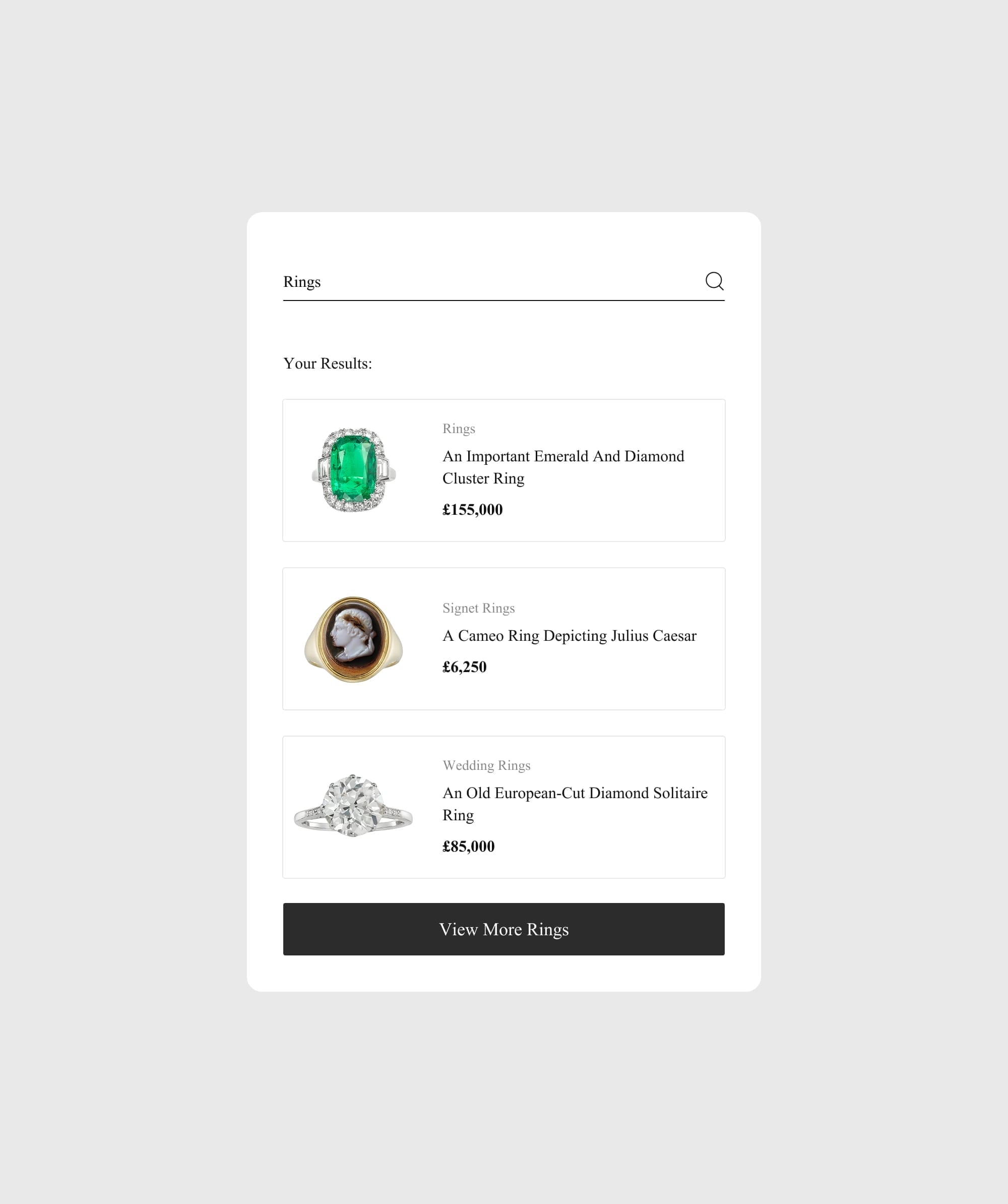
Your search bar is probably the most underestimated feature on your entire online store. While most brands obsess over homepage banners, product photography, and checkout flows, the humble search box quietly drives some of the highest-intent traffic on your site and often gets neglected in the process. Following ecommerce site search best practices is crucial for maximising the impact of this powerful tool.
0 Comments30 Minutes
Workflow Automation: Definition, Benefits, and How to Get Started
Workflow automation is revolutionising the way businesses operate by streamlining repetitive tasks and optimising workflows with minimal manual effort. By leveraging software to automate routine actions, organisations can boost efficiency, reduce errors, and free up employees to focus on higher-value work. This article explores the fundamentals of workflow automation, its benefits, practical applications across departments, and how to successfully implement it to drive better business outcomes.

0 Comments51 Minutes
B2B eCommerce Website Development: Strategy, Features, and Build Steps for 2026
By 2026, the vast majority of business to business buying journeys will involve digital channels from first research to repeat orders. The shift isn’t coming; it’s already here. Global b2b eCommerce sales have reached $25 trillion, and projections show this figure climbing toward $36 trillion by 2028. More than 80% of B2B buyers now start their purchasing process online, with many completing transactions without ever speaking to sales reps. B2B eCommerce websites are specifically designed to facilitate transactions and relationships between other businesses, supporting complex purchasing needs and operational efficiency for business clients.
0 Comments37 Minutes
eCommerce Personalisation
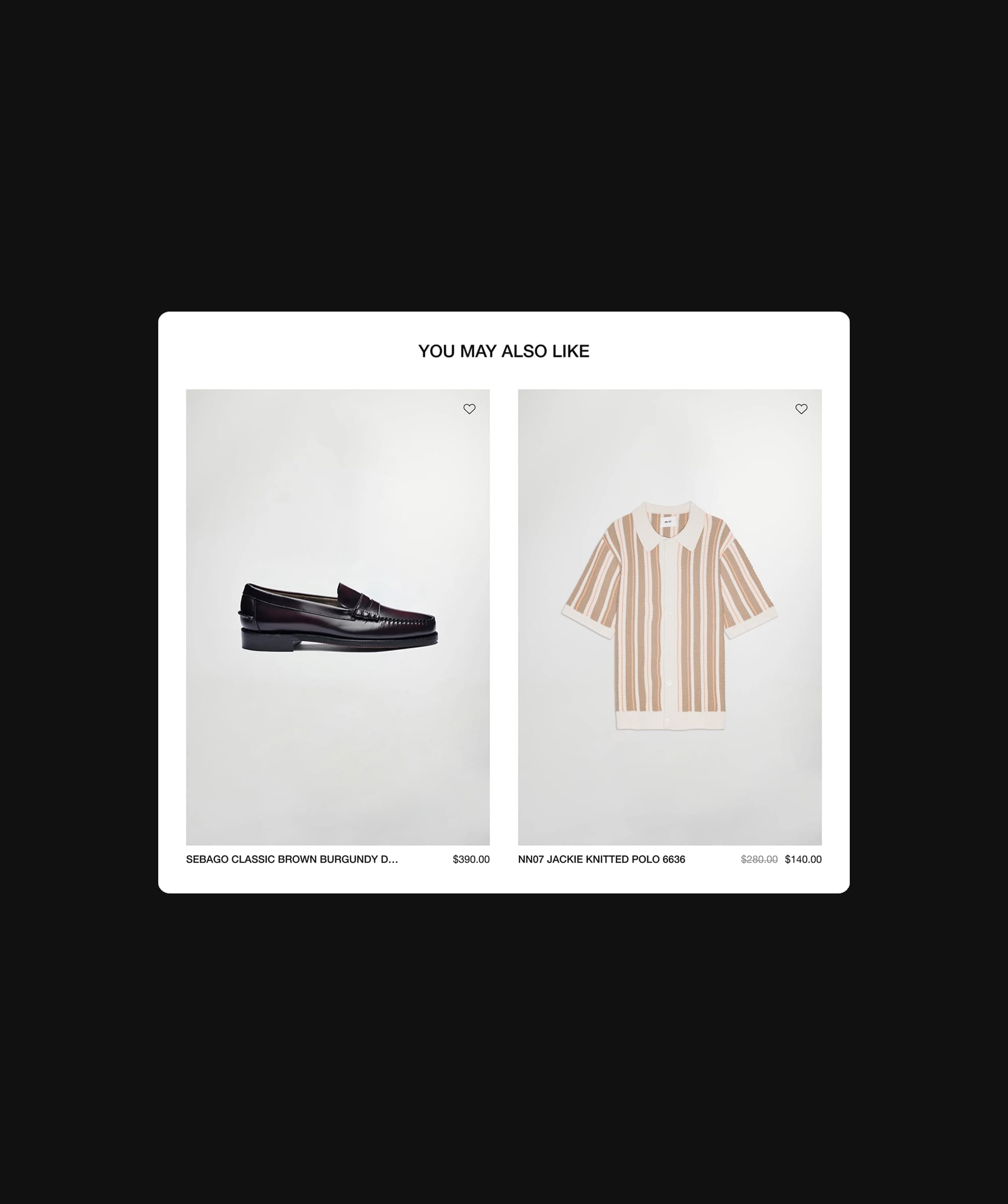
The days of showing every visitor the same homepage are over. Shoppers don’t just appreciate personalised experiences; they expect them as a baseline. eCommerce personalisation technologies have matured significantly, enabling businesses to create tailored shopping experiences based on customer data. If your eCommerce store still treats a first-time visitor from Instagram the same as a loyal customer who’s bought from you six times, you’re leaving revenue on the table.
0 Comments42 Minutes
What Is An eCommerce Website? (2026 Guide)
An eCommerce website is a store that runs online: product discovery, selection, secure payment and order tracking in one place, open around the clock. This guide covers how the parts fit together, what a good one needs, and where independent brands usually get it wrong.

0 Comments38 Minutes
Fashion eCommerce: Trends, Strategies, and Examples from 2025
Fashion is the largest category in online retail and the hardest to sell in: sizing, returns and imagery all decide whether a customer buys. This article covers the trends that mattered in 2025, the strategies behind them, and examples from brands doing it well.


