
Exit Intent Popups to Boost Your Conversions
Exit intent popups are designed to retain visitors who are about to leave your website. By detecting exit behaviour and offering last-minute incentives, these popups can significantly boost your conversions. In this article, you’ll find the 10 best exit intent popups and actionable tips to implement them effectively.
Key Takeaways
- Exit intent popups can save 10-15% of potential lost visitors by offering compelling incentives as they prepare to leave, making them a vital tool for increasing conversions.
- Tailoring offers based on visitor behaviour and browsing history significantly boosts engagement; common strategies include discounts, free trials, and content upgrades.
- Mobile-friendly designs and advanced targeting are essential for optimising exit intent popups, ensuring they effectively engage users across all devices and improve conversion rates.
- Exit intent popups can significantly reduce bounce rates by re-engaging visitors who are about to leave, as demonstrated by Digital Marketer’s success in improving their bounce rate with these tools.
Introduction to Exit Intent Technology
Exit intent technology is a powerful tool used to detect when a website visitor is about to leave a site, allowing businesses to intervene with a targeted message or offer. This technology uses advanced algorithms to track mouse movements, scrolling behaviour, and other user actions to determine when a visitor is likely to exit the site.
By leveraging exit intent technology, businesses can create effective exit intent popups that encourage visitors to stay longer, convert, or provide valuable feedback. With the rise of digital marketing, exit intent technology has become an essential tool for businesses to maximise their online potential and engage with website visitors.
Understanding Exit Intent Popups
Exit intent popups are a vital tool for increasing conversions and retaining visitors who are about to leave your website. These pop ups appear as a website popup overlay when a user demonstrates behaviour indicating they are about to exit, such as moving the cursor toward the back button or the browser’s border or closing the browser window.
The primary purpose of these popups is to retain visitors by offering valuable incentives that encourage them to stay. Additionally, using exit pop up software can enhance the effectiveness of these strategies.
One of the most significant advantages of exit intent popups is their potential to save 10 to 15 percent of lost visitors, making them a cost-effective lead generation tool. However, the effectiveness of these popups heavily relies on the timing and relevance of the message. If triggered at the wrong moment, they can feel irritating and impersonal, driving visitors away instead of retaining them. Therefore, crafting compelling offers or messages that resonate with the audience is crucial.
Exit intent popups can address various reasons visitors leave a website, such as not finding what they needed or being unsure about a purchase. Helpful hints, curiosity triggers, or problem-solving offers can motivate visitors to rethink their decision to leave and take action instead, potentially utilising exit pop ups.
Additionally, understanding how exit intent popups work can enhance their effectiveness, especially when considering an exit intent pop, such as moving the cursor toward the back button or the browser’s border or closing the browser window.
Furthermore, employing exit popup hacks can provide additional strategies to retain visitors.
How Exit Intent Technology Works
The technology behind exit intent popups is both fascinating and highly effective. Exit intent popups utilise advanced algorithms to detect when visitors are about to leave a website, prompting a final offer to encourage retention. This is achieved by monitoring the user’s mouse movements, such as when the cursor moves toward the back button or address bar, and recognising when the cursor approaches the browser’s borders. The triggering mechanism uses JavaScript to assess the speed and direction of the mouse, ensuring precise timing for the popup to appear.
On mobile devices, the absence of a cursor poses a unique challenge. However, exit intent technology adapts to track user behaviour differently. It monitors touch inputs and scrolling behaviour instead of mouse movements to determine when a visitor is about to leave, ensuring mobile users are equally engaged and can benefit from exit intent popups.
Grasping how exit intent technology operates is key to crafting effective popups. Leveraging this technology allows you to strategically time popups, capturing the visitor’s attention and encouraging them to stay or take action.
Effectiveness of Exit Intent Popups
Exit intent popups are designed to interrupt the user flow just as they are about to leave, prompting them to reconsider their decision and reducing the bounce rate. When the exit intent popup appears, these popups typically have a conversion rate of around 2.87%, with some cases achieving up to 19.63%. They can boost conversions and email acquisition rates up to 11 times faster than traditional methods, making the exit pop an effective tool.
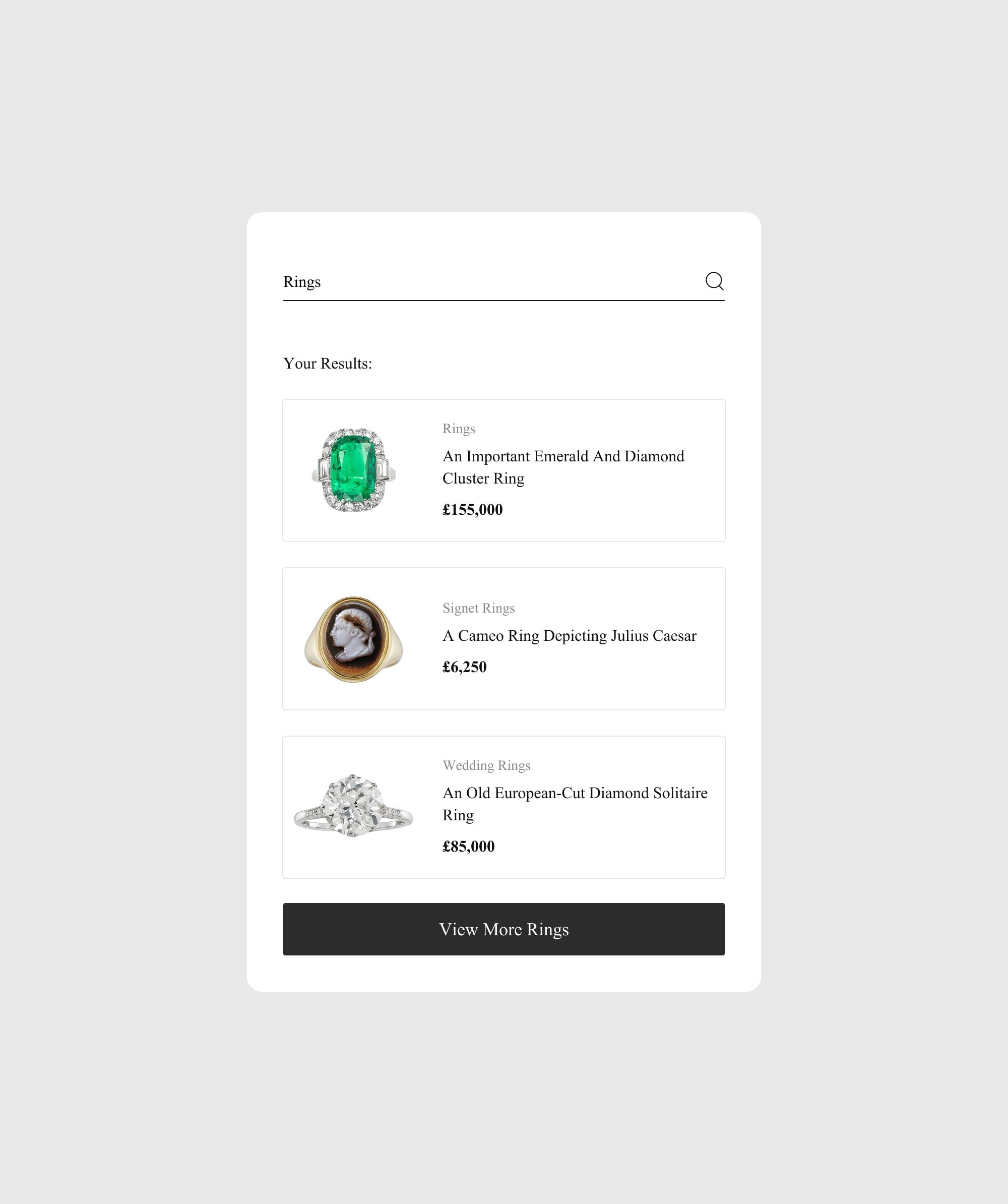
Despite the growing familiarity with exit intent popups, their effectiveness remains significant. Targeted implementation can lead to a conversion increase of approximately 5-10%. These popups are not only crucial for reducing cart abandonment but also for building substantial email lists, although not everyone may realise their full potential. Phoria Jewellery, for example, captured 3,500 sign-ups with an integrated exit intent popup, highlighting the potential impact of a well-executed strategy.
The key to successful exit popup strategies lies in the relevance of the offer to the user’s browsing history and behaviour. Tailoring the message and incentive to visitor interests can significantly boost engagement and conversion rates.
Exit Intent Popup Strategies
Exit intent popup strategies are designed to capture website visitors’ attention and encourage them to take a specific action. These strategies can include offering a discount code, promoting a lead magnet, or providing a free resource.
The key to a successful exit intent popup strategy is to understand the target audience and create a message that resonates with them. By using precise targeting and personalisation, businesses can increase the effectiveness of their exit intent popups and boost conversions. Some popular exit intent popup strategies include creating a sense of urgency, using social proof, and offering a free trial or demo.
By implementing these strategies, businesses can reduce bounce rates, increase email subscriptions, and drive more sales.
Types of Exit Intent Popup Offers
Exit intent popups can feature a variety of offers to entice visitors to stay and remind visitors of missed opportunities such as items left in their shopping cart or special offers. Among the most effective are discounts and coupon codes, free trials and samples, and content upgrades. Each type of offer can be tailored to the needs and interests of the visitor, enhancing the likelihood of engagement and conversion. This is how a popup works effectively.
Engagement strategies can also include inviting visitors to follow on social media, providing chat support, or showcasing testimonials and urgency elements like limited stock availability. Customer feedback and interaction methods, such as prompting users to fill out surveys with incentives, can also be integrated into exit intent popups to engage customers.
1. Discounts and Coupon Codes
Discount codes in exit intent popups can significantly enhance the perceived value of a visitor’s decision to stay. For example, an exit intent popup might include a surprise contest entry and a 20% off for subscribing. Another effective strategy could be offering a 15% discount along with exclusive perks to entice visitors to remain on the site.
Providing discounts and coupon codes through exit intent popups adds value to the time and money spent by website visitors, making them more likely to convert into paying customers. Offering free shipping or a discount code can significantly enhance the perceived value of a visitor’s decision to stay. Implementing countdowns in these popups can spur conversions by creating a sense of urgency.
Flexibility in using these offers now or saving them for later can also enhance the user experience. For instance, an exit intent popup allows visitors to use the discount immediately or save it for future purchases. This approach not only retains visitors but also encourages repeat visits.
2. Free Trials and Samples
Offering free trials through exit popups allows hesitant visitors to experience the product risk-free, effectively converting them into paying customers. For instance, an exit intent popup offers a 7-day free course on how to start a profitable blog, attracting visitors who are interested in learning more without any initial cost. Additionally, a popup survey can help gather feedback from users during this process.
This strategy can significantly reduce hesitation and enhance conversions. Offering a 90-day free trial in their exit intent popup attracted substantial user sign-ups, demonstrating the effectiveness of this lead magnet approach.
Offering free trials or samples effectively engages potential customers and helps you gain valuable insights while building trust to attract more customers.
3. Content Upgrades
Content upgrades are exclusive pieces of content related to specific pages that are offered through exit intent popups. These upgrades can add value to the visitor’s experience and encourage email signups. For example, an exit intent popup offers a free eBook with life-changing questions, providing immediate value to visitors.
The value proposition of using content upgrades lies in their ability to provide instant value to visitors without any commitment. This strategy addresses the common issue of converting visitors into email subscribers by offering high-quality content such as PDFs, checklists, or eBooks.
Design Tips for Effective Exit Intent Popups
The design and placement of exit intent popups are crucial for maximising their engagement potential. Incorporating images, especially of people or products, can significantly enhance engagement and decision-making. A clean design that is visually appealing and easy to scan, matching the overall website vibe, is essential.
Key elements of effective exit intent popups include compelling copy, visual appeal, and a clear call to action (CTA). Each of these elements plays a critical role in capturing the visitor’s attention and guiding them toward taking the desired action.
Crafting Compelling Copy
Using direct and intriguing headlines can effectively grab the visitor’s attention in exit intent popups. Catchy headlines attract visitor’s attention and convey the offer, making them a crucial component of the popup. Specific numbers in headlines can also grab attention and potentially increase conversions.
Clear and straightforward messaging is essential for mobile popups to ensure users quickly understand the offer. Emphasising the value proposition and ensuring clarity in CTAs are important aspects of effective exit intent popups, delivering a simple message.
Visual Appeal
Effective exit intent popups should feature:
- A clean design that is visually appealing and easy to scan
- High-contrast colours to help guide visitors’ focus toward the call to action and draw attention
- Visual designs that align with brand identity, such as vibrant colours and engaging graphics
These elements can significantly enhance the effectiveness of creating popups for exit intent popups and pop up tools.
Images of people can enhance the trustworthiness of exit intent popups, drawing attention and encouraging action. This striking image approach not only makes the popup more engaging but also aligns with the company values and identity.
Clear Call to Action (CTA)
The call to action (CTA) in exit intent popups instructs visitors on what to do to receive the offer, making its clarity crucial for driving conversions. Effective CTAs should be concise, benefit-focused, and utilise action-oriented language to capture visitor attention.
Visually guiding elements such as arrows and animations can direct the eye towards the CTA, enhancing its visibility and impact. Using active verbs in the CTA language, such as ‘Sign up for exclusive offers!’ or ‘Get your free sample today!’, makes it more compelling and easier for users to understand the action they are prompted to take. It’s important to act quickly to maximise engagement.

Based on our experience designing across all devices, we’ve put together key insights on Responsive Web Design — highlighting what really works when creating seamless, high-performing websites.
Mobile-Friendly Exit Intent Popups
Over half of website traffic comes from mobile devices, making mobile-friendly popups essential for effective engagement. Creating separate popups for mobile and desktop is recommended to ensure the best user experience across devices. Mobile-friendly exit intent popups need to be carefully designed to accommodate the lack of cursor movement tracking.
Instead of mouse movements, which track cursor movements, mobile exit intent technology monitors touch inputs and scrolling behaviour to determine when a visitor is about to leave. This adaptation ensures that mobile users are equally engaged and can benefit from exit intent popups.
By designing mobile-friendly exit intent popups that are visually appealing and easy to interact with, businesses can effectively engage mobile visitors and reduce bounce rates. Separate designs for mobile and desktop ensure that the user experience is optimised for each device.
Advanced Targeting and Personalisation
Personalising popup messages based on user behaviour increases the likelihood of engagement by engaging site visitors right before they leave the site. Using visitor browsing history allows for tailored exit intent offers that enhance relevancy. AI tools can analyse visitor behaviour to refine targeting and improve conversion rates of exit popups.
Segmenting visitors based on their past interactions helps in delivering more effective exit popup campaigns throughout the customer journey. Geographic data can also influence messaging in exit popups, ensuring it aligns with regional preferences. Personalised messaging, such as addressing visitors by name, can significantly increase engagement.
Integrating mobile exit intent popups with marketing automation can enhance user re-engagement strategies. By leveraging advanced targeting and personalisation, businesses can create highly relevant and engaging exit intent popups that drive conversions.
Measuring Success and Optimisation
Measuring the success of exit intent popups is crucial to optimising their performance and maximising their potential. Businesses can use metrics such as conversion rates, click-through rates, and bounce rates to evaluate the effectiveness of their exit intent popups. By analysing these metrics, businesses can identify areas for improvement and refine their exit intent popup strategy to better target their audience and achieve their marketing goals.
Additionally, businesses can use A/B testing and experimentation to optimise their exit intent popups and improve their overall performance. By continually measuring and optimising their exit intent popups, businesses can ensure they are getting the most out of their digital marketing efforts and driving more conversions and sales.

Explore our full guide on A/B Testing and how to conduct and analyse A/B tests to optimise for higher conversions.
Customer Feedback and Lead Magnets
Customer feedback and lead magnets are essential components of a successful exit intent popup strategy. By offering a free resource or incentive, businesses can encourage website visitors to provide valuable feedback or subscribe to their email list. This feedback can be used to gain valuable insights into customer behaviour and preferences, allowing businesses to refine their marketing strategy and improve customer satisfaction.
Lead magnets, such as free ebooks or webinars, can also be used to attract potential customers and nurture them through the sales funnel. By leveraging customer feedback and lead magnets, businesses can create a loyal customer base and drive long-term growth.
Case Study: Successful Exit Intent Popup Implementations
Phoria Jewellery serves as an exemplary case of a business that effectively utilised exit intent popups to capture visitor attention and drive engagement.
This case study highlights the significant impact of a well-executed exit intent popup on conversions and customer relationships. Examining this exit popup example offers businesses valuable insights into strategies and best practices for implementing an effective exit popup.
Phoria Jewellery
Phoria Jewellery utilised an integrated exit intent popup form to capture a substantial number of sign-ups. From January 2025 to May 2025, they successfully gathered 3,500 email sign-ups through their strategically implemented popup. This success was achieved by timing their popups perfectly to appear when visitors were about to leave, offering compelling incentives that resonated with their audience.

Phoria Jewellery's success shows the power of a well-timed exit intent popup. Offering the right incentive at the right moment turned potential exits into engaged subscribers and boosted their email list and customer base.
Read the full case study.
Best Practices for Exit Intent Popups
Maximising the effectiveness of exit intent popups requires ongoing testing and optimisation to ensure exit popups work effectively to engage visitors. Metrics like conversion rates and bounce rates help assess performance and identify areas for improvement. The offer communicated through the popup must align with both the marketing goals and the needs of the audience for maximum impact.
Targeted offers based on visitor behaviour and demographics are essential for successful exit popups. Aligning exit-intent offers with visitor interests increases engagement and conversions. Additionally, placing exit intent popups in various locations on the screen, not just the center, can surprise visitors and improve effectiveness.
Using humour to engage visitors can also be an effective strategy for retaining them with exit intent popups. A strong, bold message in the exit intent popup communicates the offer effectively, making it more likely to resonate with visitors and drive conversions.
Summary
Exit intent popups are a powerful tool for increasing conversions and retaining visitors. By understanding how they work, implementing various types of offers, and designing them effectively, businesses can significantly boost their engagement and conversion rates. Real-world examples like Phoria Jewellery demonstrate the potential impact of well-executed exit intent popup strategies.
In conclusion, leveraging exit intent popups can turn potential exits into valuable conversions. By following best practices, personalising offers, and continuously optimising, businesses can create highly effective popups that engage visitors and drive results. Embrace the power of exit intent popups and watch your conversions skyrocket!
Frequently Asked Questions
What does On-Site Messaging do?
On-Site Messaging effectively boosts your sales by delivering timely incentives and tailored messages that engage customers based on their behaviour. Embrace this tool to capture valuable data and minimise basket abandonment!
How can businesses grow their subscriber base using On-Site Messaging?
To effectively grow your subscriber base, implement data-capture campaigns that deliver targeted messages at crucial points in the buying journey. This strategy not only captures valuable email and SMS data but also enhances engagement with your audience!
What percentage of customers leave without completing a purchase?
It’s shocking, but 98% of customers abandon their carts before completing a purchase. This highlights the importance of engaging potential buyers and addressing their concerns to boost conversion rates!
How much can email data capture increase using On-Site Messaging?
Implementing On-Site Messaging can boost your email data capture by three times, giving you a powerful tool to engage your audience! Embrace this strategy to maximise your results!
What happens when a shopper shows signs of exit intent?
When a shopper shows signs of exit intent, especially online shoppers, proactive messaging can effectively re-engage them and keep the sale alive. By using targeted prompts, you can guide them back into the shopping experience!