
Top Strategies for Landing page optimisation
Below, we have shared our actionable strategies that optimise landing pages effectively, ensuring higher conversion rates and improved user experiences. By fine-tuning your landing page elements, you can better engage visitors and convert them into customers. Conversion optimisation is crucial for boosting conversions and achieving marketing goals.
Key Takeaways
- Landing page optimisation (LPO) is essential for increasing ROI and converting traffic into paying customers through targeted, well-designed pages. Incorporating conversion rate optimisation (CRO) techniques, such as refining landing pages, is crucial for enhancing user engagement and achieving better conversion outcomes.
- Key elements of a good landing page include compelling headlines, clear Calls to Action (CTAs), and high-quality visuals that resonate with the audience.
- Advanced strategies like personalising content, A/B testing, and enhancing page load speed can significantly boost landing page effectiveness and user engagement.
- Following landing page best practices is essential for achieving high conversion rates and effective optimisation.
Understanding Landing Page Optimisation
Landing page optimisation (LPO) is the process of refining landing pages to drive specific actions like leads, signups, or sales. Think of it as tuning an instrument; each tweak can enhance performance. The main aim is to prompt action, making it vital in your marketing funnel.
Landing pages are crucial for marketers as they link advertising investments to customer acquisition. They are the bridge connecting marketing efforts to results. However, creating an optimised landing page can be challenging. High bounce rates suggest a mismatch between visitor expectations and page content, highlighting the need for a clear strategy. Integrating brand values builds trust and assures visitors of brand reliability. Keyword research and search engine optimisation are foundational steps in creating landing pages that attract organic traffic and improve visibility.
The ultimate goal of LPO is to boost ROI and enhance marketing campaigns. Engaging potential customers with relevant pages improves user interaction and drives valuable actions. Effective optimisation focuses on quickly conveying value to visitors. Targeted landing pages that meet visitor needs increase the chances of converting traffic into paying customers. Optimising for landing page conversion is key to maximising ROI.
Metrics are vital in LPO, holding marketers accountable and showcasing their efforts’ value. User engagement metrics inform ad platforms of the user experience quality. Regular analysis of these metrics allows for data-driven improvements to your landing pages for better results. Regularly monitoring your landing page’s performance helps identify areas for improvement. Tracking landing page conversions helps marketers understand which strategies are most effective.
Key Elements of an Optimised Landing Page
Creating an optimised landing page involves more than just slapping together a few elements and hoping for the best. It requires a thoughtful blend of design, content, and strategy. A clear primary message that immediately communicates the value proposition is essential to capture visitors’ attention and drive engagement. High-converting landing pages typically include a unique selling proposition, a hero image or video, benefits of the offering, social proof, and a single conversion goal. These elements work together to create a seamless user experience that guides visitors towards taking the desired action.
The main components of an eCommerce landing page should include landing page examples:
- A headline
- Brief introduction
- Compelling copy
- Call to action
- Contact form
- Visuals
- Testimonials
- Social proof
- Product demos
- Product landing pages
To keep visitors focused on the conversion goal, it’s important to remove unnecessary links that could distract from the primary message. Including demo videos can help showcase products or services in action, increasing engagement and making features clear. User friendly features, such as intuitive navigation and easy-to-use forms, also improve the landing page experience and make it easier for visitors to take action.
Page Design
Effective landing page design relies on simplicity in layout and benefit-driven copy. Modern tools now make it easier to build landing pages with effective design elements and customisable templates. Additionally, using high-quality product images is essential. When planning your marketing strategy, it’s important to design multiple landing pages tailored for different campaigns or audiences, allowing for better targeting and optimisation. A well-executed hero shot prominently displaying your product or offer can significantly impact conversion rates by enhancing trustworthiness and engagement. Focusing on optimising a single page design can also streamline the user journey and improve conversion rates. The design should also be responsive and include visual elements to enhance engagement, especially when creating an eCommerce landing dedicated landing page.
Whitespace
Whitespace in landing page design is another critical factor, as it creates an inviting, clean, and simple layout. Elements on the new landing page should align to support the main objective, ensuring that every component has a clear purpose to enhance user experience and drive conversions, even if some may be considered a relatively unimportant element on the entire page. For additional ideas, consider looking for drag and drop landing page inspiration and a great landing.
Crafting Compelling Headlines
A compelling headline is crucial for capturing your visitors’ attention. It should clearly convey the benefits of your product or service, addressing their needs and sparking interest. Think of it as the hook that reels in your audience, encouraging them to explore further.
Effective headlines are clear and concise, avoiding unnecessary adjectives.
Consistency in messaging is vital. Aligning your headlines with PPC keywords engages visitors based on their search intent. Your headline sets the tone for the entire landing page experience. It should be noticeable, compelling, and problem-focused to address visitor needs and drive conversions.
Designing Clear Calls to Action (CTAs)
The call to action (CTA) is the heart of your landing page — it’s where the magic happens to convert visitors into customers. The primary conversion goal of a visitor to a landing page is to complete a CTA, whether it’s making a purchase, subscribing to a newsletter, or downloading a resource. An effective CTA drives users to take specific actions and should be designed to stand out and be easily accessible. A well-designed CTA encourages visitors to take the next step by guiding them toward the desired action.
To create effective CTAs, use active language that clearly states the action the visitor will take, such as ‘Start My Free Trial’. The text on the CTA button should be in active voice to motivate visitors. Additionally, ensure that CTAs are positioned prominently and repeated on longer pages to keep the action visible. Allowing sufficient whitespace and using contrasting colours can enhance visibility and draw attention to the CTA.
It’s essential to minimise distractions on landing pages by avoiding extraneous offers or navigation that could divert users from the main goal. Landing pages should contain one clear CTA to maintain focus on a single campaign goal. Evaluate the entire acquisition and conversion experience to ensure an optimised CTA, making sure it aligns with the overall landing page design.
Effective CTAs are not just about design — they also need to resonate with the visitor’s intent. By using clear, strong visibility, appropriate size, and descriptive language, you can create CTAs that drive conversions and enhance the overall landing page experience. Optimising your CTAs in these ways can lead to more conversions and improved campaign results.
Utilising High-Quality Visuals
Visuals play a pivotal role in landing page optimisation. High-quality visuals enhance user trust and create a more attractive design, improving overall engagement. They help break up information, making the content more digestible and visually appealing. In fact, 94% of first impressions are related to design, underscoring the importance of using high-quality images and videos.
Types of imagery that can be included on a landing page range from product photos to illustrations, videos, and demo videos. Demo videos are especially effective for showcasing products or services in action, visually explaining features, and engaging visitors. Using images helps potential customers visualise the product, aiding in effective product photography. Personal photos, high-quality stock photo libraries, or free resources like Unsplash are recommended for sourcing images. Avoid using free photos found on the internet as they can appear generic and untrustworthy.
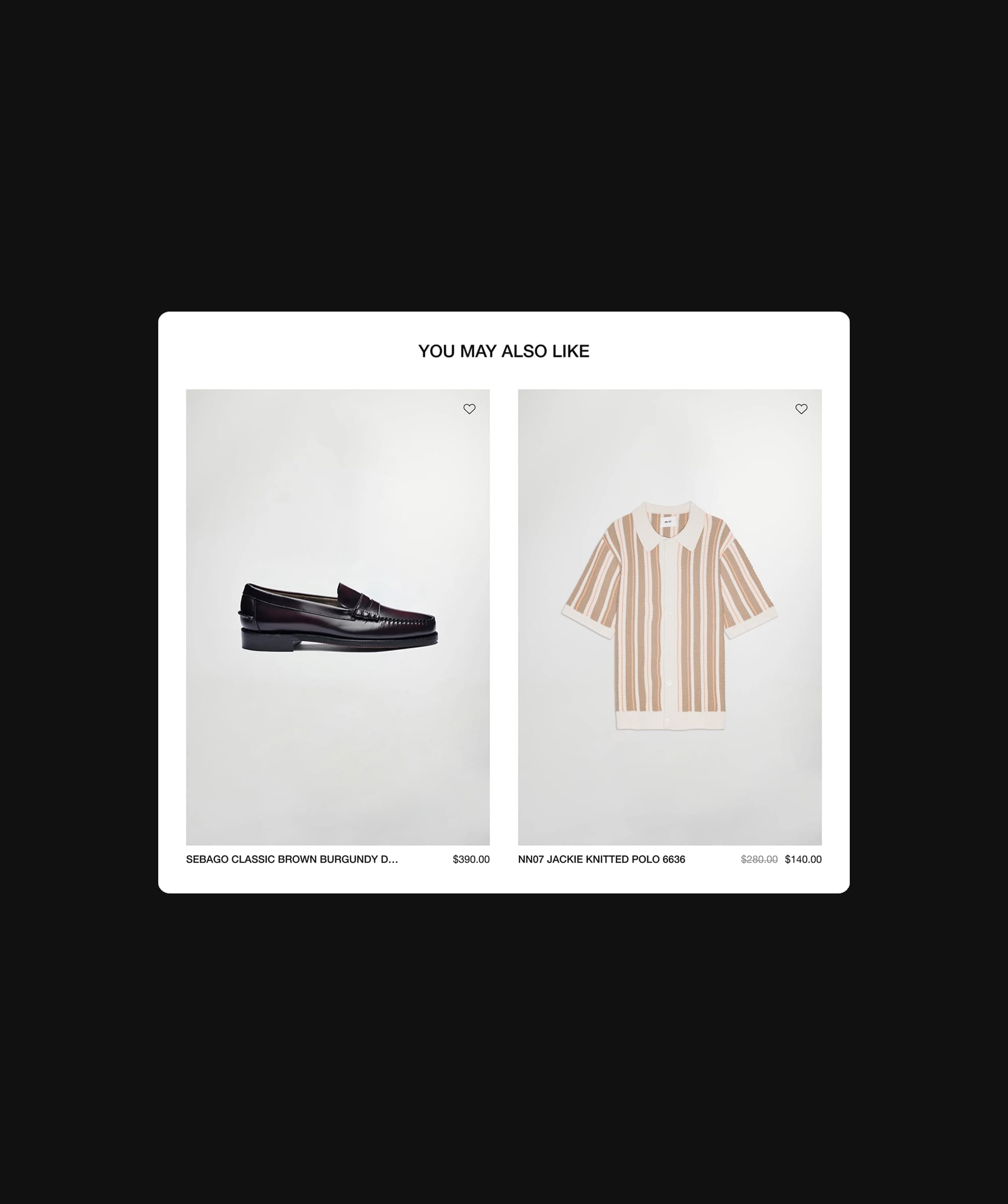
Visuals should be used strategically to enhance the value proposition and keep the visitor’s attention. For instance, using images to show ingredients can provide clear information about products, enhancing user understanding.
It’s crucial to avoid low-quality images that are pixelated or poorly lit, as these can detract from the overall landing page experience. Utilising high-quality visuals creates a perfect landing page that not only looks great but also drives conversions and engagement.
Principles of Landing Page Design
A well-designed landing page is the cornerstone of effective landing page optimisation. It should communicate a clear and concise message that resonates with your target audience. Creating your own landing pages tailored to specific campaigns and audiences ensures that each visitor is met with content relevant to their needs and stage in the buyer journey. Directing users to a relevant landing page increases the likelihood of conversion by providing a focused and targeted experience. Here are some key principles to keep in mind:
- Clear and Concise Message: Your landing page should immediately convey its purpose. The message should be straightforward, addressing the needs and pain points of your target audience. This clarity helps in capturing the visitor’s attention and guiding them towards the desired action.
- Prominent Call to Action (CTA): The CTA is the heart of your landing page. It should be highly visible and motivate visitors to take the desired action, whether that’s purchasing a product, subscribing to a newsletter, or downloading a resource. Use active language and make sure the CTA stands out visually to capture the visitor’s attention.
- Visually Appealing Design: A clean and simple layout enhances the overall landing page experience. Avoid clutter and use whitespace effectively to make the page easy to navigate. High-quality images and videos can make the page more engaging and help convey your message more effectively.
- Mobile Optimisation: With a significant portion of internet traffic coming from mobile devices, it’s crucial to ensure your landing page is mobile-friendly. A responsive design that adapts to different screen sizes and devices will provide a seamless experience for all users.
- Social Proof: Incorporating customer testimonials and reviews can build trust and credibility with potential customers. Social proof reassures visitors that others have had positive experiences with your product or service, increasing the likelihood of conversion.
- SEO Optimisation: Optimise your landing page for search engines by including targeted keywords, writing an effective meta description, and using relevant meta tags. This will improve your page’s visibility in search results and drive organic traffic. Ensure the content is valuable and meets the needs of your audience to rank higher in search engines.
- Regular Testing and Optimisation: Landing page optimisation is an ongoing process. Regularly test different elements of your page, such as headlines, CTAs, and images, to see what works best. Use tools like A/B testing to make data-driven decisions and continuously improve your landing page’s performance.
By adhering to these principles, you can create a landing page that not only looks great but also drives conversions and enhances the overall user experience.

Our own optimised landing page has increased lead generation by 27% since launch. It’s a great example of how thoughtful design, clear messaging, and smart CTAs can make a big difference.
Strategies for Optimising Landing Pages
These strategies are designed to take your landing pages to the next level, ensuring they perform at their best and drive maximum conversions. Understanding your website visitors and their needs is essential for effective optimisation, as it allows you to tailor your landing pages to increase engagement and conversions. Enhancing your landing pages can also significantly boost eCommerce sales by creating a more effective digital marketing strategy.
The effectiveness of your landing pages can significantly impact Google Ads performance by affecting metrics like Quality Score and cost-per-click. Improving landing page effectiveness can lead to higher Return on Ad Spend (ROAS) and more qualified leads. Using targeted long-tail keywords that reflect user intent is crucial for effective SEO landing pages. Additionally, optimising landing pages for SEO helps them appear in search results, attracting potential customers without paid ads.
We explore three powerful strategies for optimising landing pages: personalising content for target audiences, implementing A/B testing, and enhancing page load speed. There are many free tools available to evaluate landing page elements such as headline quality, mobile responsiveness, and page speed, making it easier to identify areas for improvement. In addition to popular options, other tools can help monitor and optimise landing page performance, including design and uptime monitoring. These strategies will help you create high converting landing pages that resonate with your audience and drive results.
Personalising Content for Target Audiences
Personalising content for your target audience is a game-changer in landing page optimisation. Understanding the goals and motivations of landing page visitors is crucial for designing an effective user experience that addresses their questions and pain points. By gathering insights about what drives your customers, you can tailor your landing page elements to better resonate with them. Personalising landing page content based on a visitor’s previous interaction with your website—such as their browsing history or engagement—can further increase relevance and boost conversion rates.
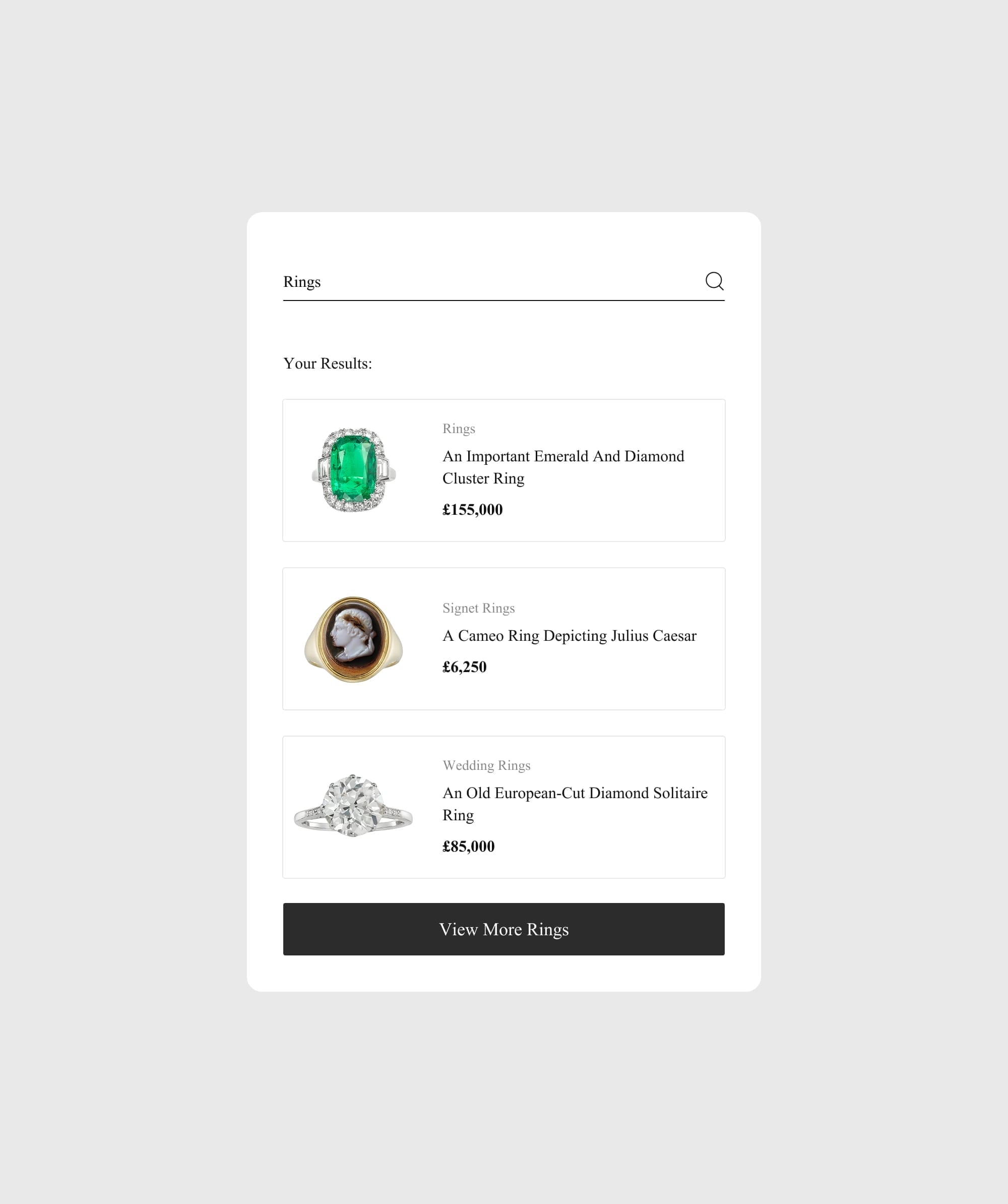
Knowing your target audience allows you to create eCommerce landing pages that speak directly to their needs and desires. Tailoring headlines, images, and CTA button text to fit the buyer persona enhances relevance and increases the likelihood of conversion for a specific target audience and potential customer. Jones Road Beauty, for instance, uses quizzes to help customers select the right cosmetic shades, providing a personalised shopping experience, which serves as a great eCommerce example.
Personalisation can also be achieved through geo-targeting, which changes content based on the visitor’s location, contributing to a more tailored experience. Mid-funnel landing pages should be designed to retarget users who have shown interest but have not yet converted, using urgency techniques like countdown timers to motivate quick actions, ultimately focusing on converting visitors. Additionally, creating targeted landing pages with personalised content, incentives, and exclusive offers can help retain existing customers and ensure they feel valued.
Creating distinct landing pages for various customer segments allows better measurement of market segmentation effectiveness and catering to specific needs. Personalisation is not just about making your landing pages look good – it’s about making them feel relevant and valuable to each visitor, thereby driving higher conversion rates and reducing customer acquisition costs by creating more landing pages.
Implementing A/B Testing
Implementing A/B testing is an essential strategy for landing page optimisation. Continuous testing is crucial as landing page optimisation is not a one-time effort but an ongoing process. The benefit of continuous testing and optimisation is that it improves landing page effectiveness over time, leading to better user engagement and higher conversion rates.
A/B testing involves creating two versions of a landing page with one small change to monitor which version performs better in terms of conversion rates. This could be a change in the headline, CTA, or overall design. The purpose of A/B testing is to compare different designs and messaging to see which resonates best with your audience. Analysing other landing pages can also provide valuable insights and ideas for your own A/B tests.
Regularly testing different landing page elements, such as headlines, CTAs, and overall design, helps identify the most effective strategies. Insights from A/B testing can guide future marketing efforts and improve conversion strategies over time. For example, testing different CTA placements and messaging can clarify what changes lead to better user engagement and higher conversion rates.
A/B testing is especially crucial for optimising mobile landing pages, as it allows for data-driven improvements tailored to mobile users. Continuously testing and refining your landing pages ensures they remain effective and relevant, driving better results from your marketing campaigns.

Explore our full guide on A/B Testing and how to conduct and analyse A/B tests to measure emotional impact.
Enhancing Page Load Speed
Page load speed is a critical factor in landing page optimisation. Slow pages can negatively affect user engagement and conversion rates, leading to higher bounce rates and lower overall performance. Ensuring that your landing page loads quickly is essential for providing a seamless user experience and retaining visitors, especially when considering page length. Improving page load speed can help retain website traffic and reduce bounce rates, making it a key aspect of maximising the number of visitors who stay on your site.
Utilising tools like Google PageSpeed Insights can help assess and improve page load speeds effectively. These tools provide valuable insights into what’s slowing down your page and offer recommendations for optimisation. For instance, optimising images, leveraging browser caching, and minimising JavaScript can significantly enhance load speed. Additionally, using a scroll map can help identify how deep users scroll on your landing page, providing crucial insights into areas of interest and potential issues.
Neglecting the user experience can result in a poor overall landing page experience, driving potential customers away before they even have a chance to engage with your content. Focusing on enhancing page load speed creates a more efficient and user-friendly landing page that keeps visitors engaged.
Remember, every second counts when it comes to page load speed. Even a slight delay can cause visitors to abandon your page and look elsewhere. By prioritising page load speed in your optimisation efforts, you can create high converting landing pages that provide a smooth and enjoyable user experience, ultimately driving better results for your business.
Leveraging Social Proof and Trust Indicators
Social proof and trust indicators are powerful tools for building credibility and encouraging conversions. Testimonials, for instance, can increase conversion rates by as much as 380%. Positive reviews significantly enhance consumer trust, with 72% of people stating they rely on them when choosing a product or service.
Including real customer names and photos in customer testimonials enhances their authenticity and builds a stronger emotional connection with potential customers. Video testimonials can be particularly motivating for purchases, as 64% of consumers indicate they are influenced by them.
Businesses that showcase 10 or more testimonials can see a huge difference in traffic from 15% to 20%, attracting more visitors. Strategically placing testimonials near key selling points reinforces the message and improves conversion rates. Testimonials that include specific outcomes or metrics provide relatable proof of a product’s effectiveness, furthering potential buyers’ trust.
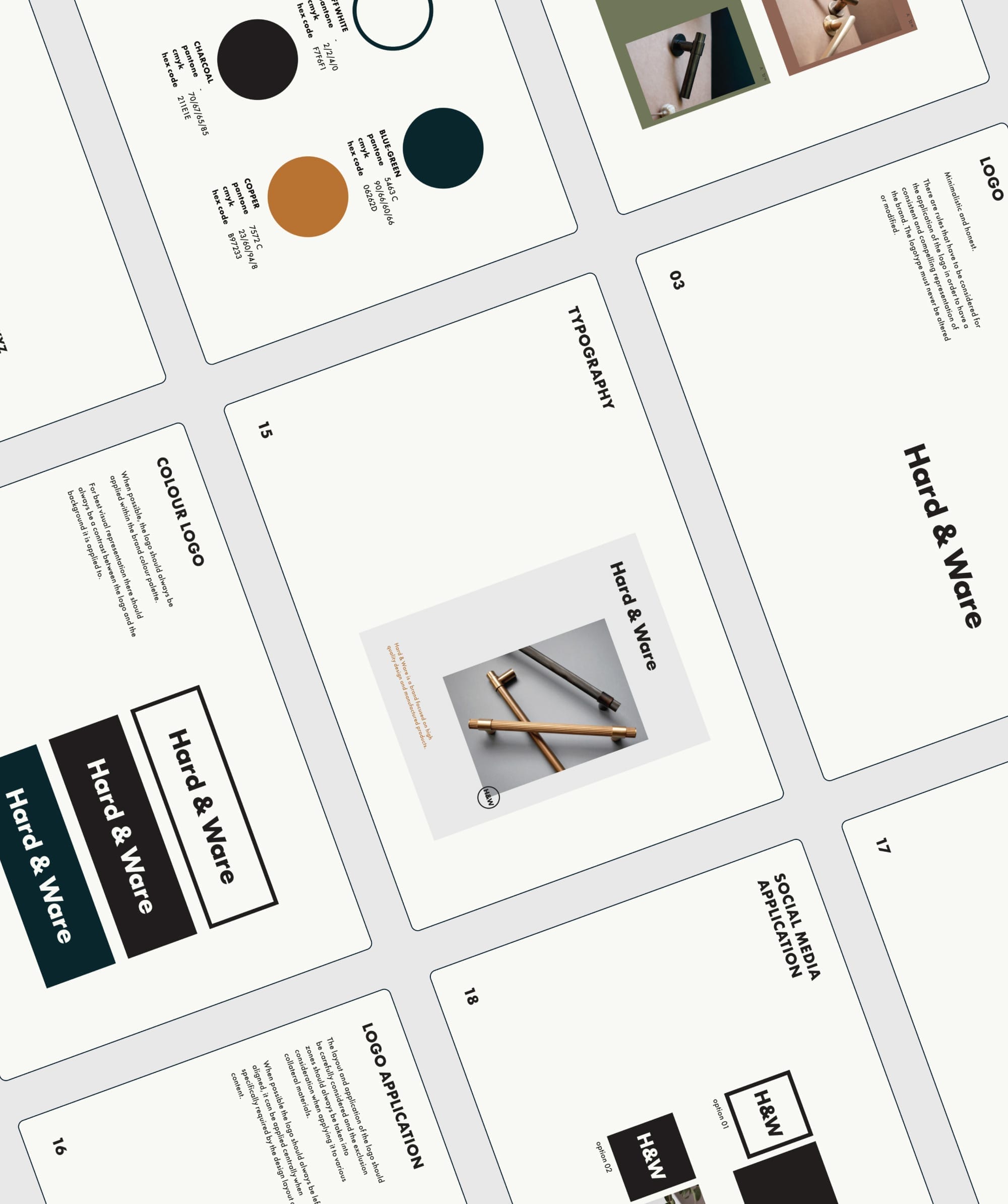
Leveraging social proof and trust indicators helps create effective landing pages that build trust and drive conversions. A notable landing page example from a specific agency highlights the importance of maintaining a consistent brand experience through visual elements, serving as an inspiring model for others in terms of colour, typography, and overall design creativity.
Mobile Optimisation for Landing Pages
With over half of internet traffic coming from mobile devices, mobile optimisation is crucial for retaining customers. Mobile landing pages must be designed to load quickly and provide a user-friendly interface tailored for smaller screens. It is essential to ensure your landing page is optimised for every type of mobile device to provide a seamless experience for all users. Using a mobile-first design approach, focusing on mobile functionality before adapting for desktop, is highly recommended. Effective landing pages can drive traffic to an online store, making it essential to optimise for mobile users.
Single-column layouts are preferred for mobile landing pages to enhance readability and navigation. Clear and concise copy is essential due to limited screen space. Calls to action should be positioned prominently at the top of mobile landing pages to encourage immediate engagement. Including a click-to-call button can facilitate direct communication for businesses on mobile landing pages, emphasising the importance of element positioning.
Keeping images and videos minimal and optimised helps ensure faster loading times, crucial for mobile users. Twillory, for example, prioritises mobile optimisation by creating specialised experiences for mobile visitors to improve engagement and conversion optimisation. Optimising your landing pages for mobile devices provides a seamless experience for mobile users, driving higher conversions and better engagement.

Based on our experience designing across all devices, we’ve put together key insights on Responsive Web Design — highlighting what really works when creating seamless, high-performing websites.
SEO Best Practices for Landing Pages
SEO is crucial for landing pages as it drives organic search traffic, increases conversion rates, and enhances engagement metrics. For long-term projects like lead generation and ebook sales, optimising landing pages for search engine optimisation is critical. Search engine optimisation (SEO) not only influences visibility but also boosts conversion rates and user engagement by employing effective keyword strategies in various elements like meta tags and page content. Using text headlines in H1 format instead of images to convey primary messaging is essential for effective SEO.
Organic landing pages need to contain sufficient content that Google considers worthy for high rankings in search engines. Be prepared to make trade-offs between visual quality and SEO if the primary goal is to attract organic traffic. Internal linking on SEO landing pages improves accessibility and integration into the overall site structure.
Keeping evergreen campaigns live can help in gaining ongoing traffic and SEO value over time. Reactivating a live page after several months provides benefits for Google awareness, enhancing overall SEO. Following these SEO best practices optimises your landing pages to attract organic traffic and drive long-term results.
Analysing User Behaviour and Engagement
Understanding user behaviour is essential for refining landing page performance and maximising conversions. Tools like Google Analytics, Mixpanel, and Hotjar can be used to analyse user behaviour, providing insights on visitor engagement. Understanding user behaviour through these tools can inform better design and content decisions to enhance user engagement and improve SEO performance. Heatmaps and scroll maps visually represent user interaction, revealing areas of high engagement and scroll depth on landing pages.
On-site surveys and user interviews can effectively identify user frustrations and gather in-the-moment feedback about landing pages. Analysing recorded visitor sessions can help refine user experience, tweak CTA placements, and adjust headlines based on real user data, user clicks, and attention areas.
Continuously analysing user behaviour and engagement enables data-driven decisions to optimise your landing pages and improve conversion rates.
Common Mistakes to Avoid in Landing Page Optimisation
Avoiding common mistakes is crucial for successful landing page optimisation. An optimised web page enhances visual appeal and navigation, which significantly impacts user experience and conversion rates. Content quality impacts SEO significantly; always aim for high-quality, relevant valuable information that meets user needs. Relying solely on gut instinct and personal opinion can lead to ineffective optimisation efforts. Instead, use visual data and user feedback to inform your decisions.
One common mistake is failing to use dedicated landing pages for specific campaigns, which can reduce conversion rates. Avoid sending campaign traffic to the homepage, as mixed messaging can distract users from the campaign goals. Another frequent error is including unnecessary links on landing pages, such as navigation menus or social media links, which can distract visitors from the main conversion goal. Only include forms on landing pages if they’re necessary to meet online marketing campaigns goals, and limit unnecessary fields to improve conversion rates. Conducting a postmortem session after each campaign helps analyse performance effectively and learn from mistakes, ensuring only one message is conveyed.
Maintaining an open and testing mindset towards landing page optimisation is crucial for continuous improvement. Regularly monitor landing page performance and iterate based on results to avoid stagnation and improve conversion rates. By avoiding these common mistakes, you can create optimised landing pages that drive better results through conversion rate optimisation.
Summary
Landing page optimisation is a multifaceted process that requires a blend of strategy, design, and continuous improvement. By understanding the core principles of LPO and implementing advanced strategies like personalisation, A/B testing, and mobile optimisation, you can create high converting landing pages that resonate with your audience and drive results. Following these strategies will help you build a great landing page that drives results and maximises conversions. An optimised landing page not only looks appealing but also creates a seamless user experience that effectively persuades visitors to take action.
Key elements like compelling headlines, clear CTAs, and high-quality visuals are essential for creating an engaging user experience. Leveraging social proof and trust indicators can build credibility, while following SEO best practices can attract organic traffic and enhance long-term performance.
Remember, the journey to an optimised landing page is ongoing. By continuously analysing user behaviour, avoiding common mistakes, and making data-driven decisions, you can refine your landing pages and achieve better conversion rates. Now it’s time to put these strategies into action and transform your landing pages into powerful conversion tools.
Frequently Asked Questions
What is landing page optimisation?
Optimising landing pages is all about enhancing your landing pages to boost conversions like leads and sales. By fine-tuning elements such as headlines and calls to action, you can significantly elevate user engagement and achieve your goals!
Why are headlines important on landing pages?
Headlines are essential on landing pages because they grab attention and communicate your main message effectively. A strong headline can keep visitors engaged and significantly boost conversion rates.
How can I improve the load speed of my landing page?
To boost the load speed of your landing page, optimise images, leverage browser caching, and minimise JavaScript. Utilise tools like Google PageSpeed Insights to assess and enhance your page, ensuring a faster and smoother experience for your visitors.
What role do social proof and trust indicators play in landing pages?
Social proof and trust indicators are essential for building credibility on landing pages, as they boost consumer trust and showcase the effectiveness of your product. Utilising testimonials and reviews significantly increases your chances of conversion, so leverage these tools to encourage purchases!
Why is mobile optimisation important for landing pages?
Mobile optimisation is essential because it caters to the majority of internet users accessing sites from their devices. By ensuring your landing pages are mobile-friendly, you enhance user experience and significantly boost engagement and conversions!