
eCommerce Personalisation
The days of showing every visitor the same homepage are over. Shoppers don’t just appreciate personalised experiences; they expect them as a baseline. eCommerce personalisation technologies have matured significantly, enabling businesses to create tailored shopping experiences based on customer data. If your eCommerce store still treats a first-time visitor from Instagram the same as a loyal customer who’s bought from you six times, you’re leaving revenue on the table.
This Insight breaks down everything you need to know about eCommerce personalisation: what it actually means, why it matters more than ever, and the specific tactics you can implement to deliver personalised experiences that convert. Whether you’re just starting out or looking to refine your existing personalisation strategy, you’ll find actionable frameworks you can put to work immediately. This Insight will help you deliver personalised experiences and create an effective personalised eCommerce experience that drives brand loyalty and gives your business a competitive advantage.
Personalised shopping experiences are linked to higher customer satisfaction, which can drive sales and improve brand loyalty.
What is eCommerce personalisation?
eCommerce personalisation is the practice of tailoring your online store’s experiences, marketing messages, and offers to individual customers based on what you know about them. This isn’t a nice-to-have; it’s table stakes for any brand that wants to compete.
Here’s what that actually looks like in practice:
- Data-driven customisation: Using first party data like browsing history, purchase history, device type, and geographic location to dynamically adjust what each visitor sees on your eCommerce site.
- Real-time adaptation: Going beyond static rules to create experiences that change based on what a shopper does during their current session, not just what they did last month.
- Cross-channel consistency: Ensuring that the personalised shopping experience including website personalisation that delivers tailored content and recommendations extends from your eCommerce website to email, SMS, ads, and even post-purchase touchpoints.
There’s a significant difference between basic rules-based personalisation and what’s possible today with advanced approaches. Basic personalisation might show a “Welcome back!” banner to returning visitors versus a “First order? Get 10% off” message to new customers. That’s a start.
Advanced, AI-driven personalisation goes further. It uses machine learning to analyse user behaviour patterns and predict what products each visitor is most likely to buy, when they’re most likely to convert, and what offer will tip them over the edge. This happens in real time, adapting as the shopper browses. Choosing the right eCommerce personalisation platform is crucial for implementing these advanced strategies.
The numbers make the case clearly: 81% of shoppers prefer brands that offer personalised experiences, and 89% of business leaders say personalisation is critical to their success over the next three years.
One crucial shift to understand is the post-third-party-cookie landscape has fundamentally changed how personalisation in eCommerce works. With browsers phasing out tracking cookies, eCommerce businesses now rely heavily on first-party and zero-party data, information gathered through sign-ins, preference quizzes, on-site browsing behaviour, and direct customer interactions. This makes your owned data collection infrastructure more valuable than ever. A unified customer data model is essential for effective eCommerce personalisation, enabling businesses to leverage first-party data for tailored experiences.

Personalisation looks different for every eCommerce business. We help brands define the right approach before choosing tools or tactics. Get in touch.
Core benefits of eCommerce personalisation
Personalisation isn’t just about making shoppers feel good (though it does that too). The business case is built on concrete, measurable outcomes that directly impact your bottom line. Effective personalisation helps retain customers and increase their lifetime value. Here’s where you’ll see the biggest returns from your personalisation efforts.
Increased conversion rates
When you show relevant products based on browsing behaviour or basket content, conversion rates climb significantly. Analysing customer behaviour across channels enables more targeted marketing and tailored experiences. Industry benchmarks from platforms like Monetate suggest personalised product recommendations can lift conversion by 5 to 25%, depending on implementation quality and how well you understand your customer segments. Additionally, dynamic product recommendations powered by AI algorithms can increase conversion rates by 5-25% and average order value by 10-15%.
The logic is straightforward: a shopper who’s been browsing running shoes shouldn’t see your homepage hero banner promoting formal wear. Showing them trending running shoes or personalised recommendations based on their size and preferred brands removes friction and gets them to checkout faster. Personalisation helps increase conversion rates by making product recommendations more relevant to customers’ interests and needs.
Higher average order value
Personalised cross-sells and dynamic bundles are reliable average order value drivers. Think “Frequently bought together” widgets on product pages, “Complete the look” suggestions in fashion, or smart upsells at checkout that complement what’s already in the basket.
Done well, these tactics can raise AOV by 10 to 15% and add 7 to 12% revenue per visitor. The key is relevance, suggesting a camera strap to someone who just added a DSLR makes sense. Suggesting unrelated clearance items does not.

If you want personalisation to drive higher order values and measurable revenue growth, we can help implement it properly. Get in touch.
Customer lifetime value and retention
The real payoff from effective personalisation comes over time. Personalised lifecycle messaging, welcome series that introduce your brand, replenishment reminders timed to product shelf life, VIP offers for high value customers, build customer loyalty that compounds.
Personalisation fosters customer loyalty and brand loyalty by making customers feel understood and valued, which can lead to repeat purchases.
The data supports this: returning customers typically spend around 30% more than first-time buyers. Loyal customers are also cheaper to retain than new customers are to acquire. Every percentage point improvement in repeat purchases flows directly to your profit margin.
Reduced basket and browse abandonment
Triggered emails, SMS messages, exit-intent offers, and in-session reminders can recover up to 10 to 20% of otherwise lost revenue. A shopper who abandoned a basket isn’t necessarily gone forever; they may have got distracted, wanted to compare prices, or simply needed a gentle nudge.
Personalised email campaigns that show the exact products left behind, combined with on-site retargeting that resurfaces those items when the visitor returns, create multiple opportunities to recover the sale.
Competitive differentiation
In crowded verticals like fashion, beauty, and electronics, personalisation can be the differentiator that separates you from competitors, especially for mid-market eCommerce businesses competing against Amazon-level experiences. You may not be able to match their logistics, but you can absolutely deliver a more curated, thoughtful customer experience that makes shoppers feel understood rather than processed.
Understanding the customer lifecycle in eCommerce personalisation
The customer lifecycle is at the heart of effective eCommerce personalisation. By mapping out the stages a shopper goes through, from first discovering your brand to becoming a loyal customer, eCommerce businesses can deliver tailored experiences that resonate at every step of the customer journey.
Personalisation starts at the awareness stage, where capturing attention with relevant, personalised email campaigns or dynamic content can turn browsers into engaged leads. By leveraging customer data such as browsing behaviour and initial interactions, you can introduce your brand in a way that feels uniquely relevant to each individual customer.
As shoppers move into the consideration phase, effective personalisation becomes even more critical. Here, personalised recommendations based on browsing history and purchase history help guide customers toward products that match their interests and needs. Dynamic content on your eCommerce site, like curated product collections or targeted banners, can address specific pain points or highlight benefits that matter most to each customer segment.
When a customer is ready to purchase, personalisation tactics such as tailored discounts, personalised promotions, and streamlined checkout experiences can increase average order value and reduce friction. Using insights from past purchases and browsing behaviour, you can surface complementary products or offer incentives that encourage customers to complete their purchase.
The retention stage is where customer loyalty is built and repeat purchases are encouraged. Personalised shopping experiences don’t end at checkout; follow-up communications, loyalty program offers, and replenishment reminders based on purchase history all help to foster loyal customers. By continuing to use customer data to deliver relevant, timely messages, you can enhance the overall customer experience and maximise customer lifetime value.
Ultimately, understanding and acting on the customer lifecycle allows eCommerce businesses to deliver a personalised shopping experience that not only meets but exceeds the expectations of individual customers. This approach drives higher engagement, increases repeat purchases, and builds the foundation for long-term customer loyalty.

Effective personalisation goes beyond the first purchase. We help eCommerce brands build personalised experiences across the full customer lifecycle. Get in touch.
Types of eCommerce personalisation across the customer journey
Effective personalisation touches every stage of the customer journey, from first visit to post-purchase and beyond. To achieve this, businesses must leverage multiple data types including behavioural data, demographic information, and contextual data to deliver relevant and tailored experiences.
Personalisation technologies should support omnichannel experiences, allowing businesses to engage customers across multiple devices and platforms seamlessly.
Here’s how personalisation tactics map to specific customer touchpoints.
Homepage and landing page personalisation
The first impression matters in your online store. Successful personalisation at this stage includes:
- Showing different hero banners based on traffic source (visitors from an Instagram ad see the campaign creative continued, while Google Shopping traffic sees product-focused messaging)
- Adjusting featured categories based on geographic location (surfacing cold-weather gear for visitors in northern regions)
- Distinguishing between first time visitors who need brand introduction and returning shoppers who want to jump straight to new arrivals or previously browsed categories
Product listing and search results
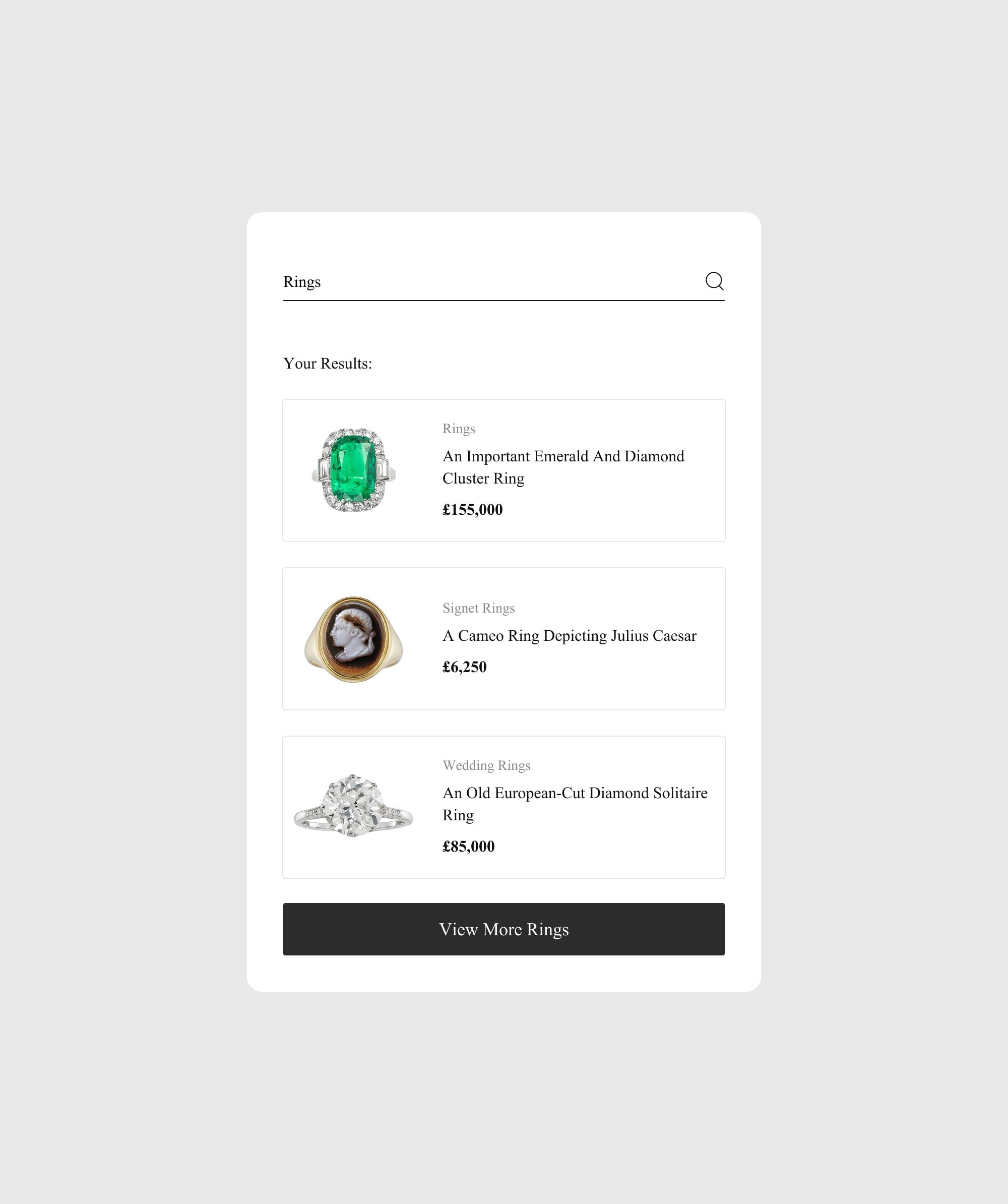
On-site search is where purchase intent meets product discovery. Intelligent search uses semantic understanding to interpret queries like “budget black laptop under £700” and return relevant results, not just keyword matches.
Beyond search, product listing pages can learn from clicks, past purchases, and past behaviour to personalise product order per visitor. Someone who consistently buys premium products should see those first, while a discount-sensitive shopper might see sale items prioritised.
To be effective, personalisation strategies should be based on customer behaviour and preferences.
Product detail pages (PDPs)
Product pages are high-intent real estate. Personalisation here includes:
- “Similar items” and “You might also like” recommendations based on browsing and purchase history
- “Styled for you” suggestions that account for size preferences, style patterns, and past behaviour
- User generated content widgets showing reviews and photos from customers with similar profiles (e.g., same skin tone in cosmetics, same body type in apparel)
Basket and checkout
The checkout flow is where personalisation can directly boost sales:
- Smart upsells showing complementary items at a small discount
- Dynamic free-shipping thresholds based on current basket value (“Only £7 more for free next-day delivery”)
- Checkout fields that adapt based on country and prior behaviour (pre-selecting saved shipping options for returning customers)
- Loyalty programme enrolment prompts with pre-filled customer data
Marketing channels (email, SMS, ads)
Off-site personalisation extends your reach through personalised marketing strategies and targeted outreach:
- Basket abandonment flows featuring the exact products left behind, often including a personalised discount tailored to the customer’s preferences or previous interactions
- Browse abandonment reminders for items viewed but not added to basket
- Replenishment sequences based on product shelf life
- Social retargeting customised by product viewed, category affinity, and recency
Behavioural email marketing automates messages for abandoned baskets, browse abandonment, and post-purchase cross-sells by using user behaviour triggers. Personalised email marketing campaigns triggered by specific customer actions can significantly improve engagement and conversion rates.
Post-purchase experience
The customer lifecycle doesn’t end at checkout. Post-purchase personalisation includes:
- Tailored product-care content based on what was actually purchased
- Community invitations relevant to the customer’s interests
- Loyalty programme messaging that reflects purchase frequency and category preferences
- Repurchase reminders timed to typical product consumption patterns
12 practical eCommerce personalisation tactics you can implement now
Theory is useful, but tactics are what move the needle. Here are specific eCommerce personalisation examples you can implement across your store, starting from the most foundational.
Incentivise account creation and sign-in
Replace generic “10% off your first order” messaging with clear value propositions for creating an account. Highlight benefits like order tracking, saved sizing, personalised wishlists, and early access to seasonal drops (Black Friday, Singles’ Day, new collection launches). Every logged-in session gives you richer behavioural data to power better personalisation.
Loyalty programs have evolved into data-driven programs that reward customers in meaningful ways, creating a treasure trove of first-party data for further personalisation efforts.
Dynamic product recommendations on key pages
Use user behaviour, such as browsing and purchase history, to power recommendation widgets throughout your eCommerce store. “Recently viewed” helps shoppers pick up where they left off. “You might also like” extends discovery based on past purchases. “Trending near you” adds social proof with a local twist. Place these on homepage, product pages, basket, and even order confirmation pages.
For example, Amazon’s ‘pick up where you left off’ feature provides personalised product recommendations based on a customer’s browsing history.
Data-driven loyalty programme
Build a tiered loyalty system where rewards, coupons, and early access are personalised based on RFM (recency, frequency, monetary value) analysis and category preferences. A skincare buyer in your beauty store should see different reward options than someone who primarily shops makeup. Use loyalty data to reward customers in ways that reinforce their existing purchasing patterns.
Personalised bestseller and “trending now” lists
Build dynamic collections filtered by time window (last 7 days, 30 days), region, and customer segment. “Bestsellers in men’s running shoes in London this week” is more compelling than a generic bestseller list. These contextual collections improve click-through and demonstrate that your store understands relevant customer attributes.
Integrate user-generated content strategically
Show personalised review snippets, customer photos, and Instagram content aligned with each shopper’s profile. In cosmetics, surface UGC from customers with similar skin tones. In apparel, prioritise reviews from shoppers with similar body types. This builds trust and helps shoppers visualise products in their own context.
Behavioural popups and in-session retargeting
Move beyond generic discount popups. Use user behaviour and behavioural triggers like “viewed 3+ products without adding to basket” or “exceeded £80 basket value” to show context-aware offers. Someone deep in browsing might need a size guide or styling assistance, not just a discount code. Real time data about current session behaviour should drive these interventions.
Real-time content optimisation using AI can dynamically adjust website layouts and product displays based on individual visitor behaviour and preferences.
AI-powered chat and guided selling
Deploy chatbots that leverage first-party data (previous orders, wishlists, browsing behaviour) to provide genuinely helpful assistance. A returning customer asking about sizing should get recommendations based on what they’ve bought before. Someone viewing an out of stock product should immediately see available alternatives in their size.
Location and weather-based personalisation
Connect to weather APIs and use geographic location to surface contextually relevant products. Show raincoats to shoppers in rainy cities, parkas to those in cold climates. Highlight click-and-collect options for urban shoppers near physical locations. This dynamic content responds to conditions the shopper is actually experiencing.
Quizzes and style/product finders for zero-party data
Short, visual quizzes (“Find your perfect running shoe in 2 minutes”) capture explicit user preferences that feed long-term customer segmentation. This zero-party data, information customers willingly share, is increasingly valuable as third-party tracking becomes less reliable. Use quiz results to personalise recommendations, emails, and on-site experiences for months afterward.
Personalised email and SMS flows
Focus on three core flows that deliver outsized returns:
| Flow Type | Trigger | Personalisation Elements |
|---|---|---|
| Welcome journey | Account creation or first purchase | Product recommendations based on signup source, quiz results, or first browsed categories |
| Browse/basket abandonment | Leaving site with items viewed or in basket | Exact products shown, personalised discount if appropriate based on customer segment |
| Replenishment reminders |
Time elapsed since last purchase |
Product-specific timing (30/60/90 days based on typical consumption), complementary product suggestions |
Checkout customisation
Optimise the final steps with personalised elements:
- Smart upsells featuring complementary items at a small discount
- Loyalty enrolment prompts that pre-fill customer information
- Dynamic messaging (“Only £7 more for free next-day delivery”) calibrated to the shopper’s basket value and history
- Customised promotions and customised promotions based on customer lifecycle stage
Automated segmentation capabilities help identify customer segments and their attributes for targeted marketing.
On-site layout personalisation
Rearrange homepage tiles, navigation categories, and banners based on demonstrated interests using website personalisation. A customer who consistently buys children’s products should see “Kids” categories surfaced first. Someone who primarily shops sales should see promotion banners more prominently. This website personalisation makes your site feel like it was built specifically for each visitor.
Dynamic content changes based on user behaviour, location, or demographic data to enhance personalisation.
Data, technology & implementation: building your personalisation stack
Implementing personalisation requires the right foundation. Here’s what the technology and data side needs to cover, explained so you can evaluate options whether you’re technical or not.
First-party and zero-party data foundations
Your personalisation stack starts with data collection. You need to capture and unify:
- Browsing behaviour (pages viewed, products clicked, time on site)
- Browsing and purchase history across sessions
- Email and SMS engagement (opens, clicks, conversions)
- Voluntary preference data from quizzes, surveys, and profile settings
This is all first party data you own, never purchased third-party data, which creates both legal and accuracy problems.
Single customer view (SCV)
Customer data often lives in silos: your eCommerce platform knows purchase history, your email service provider tracks engagement, your ad platforms have their own user profiles. Effective personalisation requires consolidating these into unified customer profiles.
A customer data platform (CDP) or a well-integrated stack can create this single source of truth. Without it, you’ll deliver inconsistent personalised experiences across channels, or worse, personalise based on incomplete information.
Segmentation and audience building
Move beyond basic demographic segments. Build customer segments around behaviour and intent:
| Segment Type | Definition | Personalisation Approach |
|---|---|---|
| High-intent window shoppers | Multiple visits, long session times, no purchase | Trigger urgency messaging, social proof |
| Discount-sensitive replenishers | Buy regularly but respond to promotions | Tailored discounts timed to replenishment cycles |
| VIP full-price shoppers | High AOV, rarely wait for sales | Early access to new products, exclusive collections |
| Lapsed loyal customers | Previously active, now dormant | Win-back campaigns with personalised promotions |
Choosing personalisation tools
When evaluating an eCommerce personalisation platform, prioritise these capabilities:
- Support for anonymous visitors (not just logged-in users)
- Omnichannel capabilities across web, email, SMS, and ads
- Machine learning recommendations that improve over time
- Layout personalisation beyond just product recommendations
- Native integration with your eCommerce platform (Shopify, Salesforce Commerce Cloud, etc.)
Choosing the right eCommerce personalisation platform is crucial for improving online store performance, delivering tailored product recommendations, and increasing conversion rates.
Point solutions create data silos. Integrated platforms like Dynamic Yield or native platform tools unify customer touchpoints for real-time activation.
Role of AI and machine learning
AI can handle product ranking, message timing optimisation, and even generative copy variants for tailored messages. But humans should still set guardrails: brand voice guidelines, ethical rules (e.g., not exploiting urgency messaging with certain customer segments), and strategic priorities.
Machine learning excels at pattern recognition across millions of data points, identifying which products a specific visitor is most likely to buy, when they’re most likely to open an email, what discount threshold triggers conversion. Let AI handle the complexity while you maintain control over strategy.
Testing and optimisation
Continuous A/B testing separates successful personalisation from guesswork. Test:
- Recommendation carousel algorithms and placements
- Banner copy and creative variations
- Offer types (percentage off vs. free shipping vs. gift with purchase)
- Trigger timing for behavioural interventions
Focus first on high-traffic, high-intent pages, product detail pages and basket, where improvements compound fastest.
Privacy, consent, and compliance
Consumer expectations around privacy are shifting alongside regulations. Your implementation must address:
- GDPR compliance (EU/UK): explicit consent for tracking, right to deletion, data portability
- CCPA/CPRA compliance (California): opt-out rights, disclosure requirements
- Clear consent banners that don’t rely on dark patterns
- Easy-to-use preference centres where customers control their data
- Transparent privacy policies explaining what you collect and why

Choosing the right data and technology setup is critical to personalisation success. We help eCommerce teams design and implement the right stack without unnecessary complexity. Get in touch.
Measuring the ROI of eCommerce personalisation
Personalisation requires investment in technology, implementation, and ongoing optimisation. Here’s how to measure whether that investment is paying off.
Key performance metrics
Track these metrics to understand personalisation impact:
| Metric | What It Measures | Target Improvement |
|---|---|---|
| Conversion rate | Percentage of visitors who purchase | 5 to 25% lift |
| Average order value | Revenue per transaction | 10 to 15% lift |
| Revenue per visitor (RPV) | Total revenue divided by sessions | 15 to 30% lift |
| Email/SMS click rates | Engagement with personalised campaigns | 20 to 40% lift |
| Basket abandonment rate | Percentage leaving with items in basket | 10 to 20% reduction |
| Repeat purchase rate | Customers who buy again | 5 to 15% lift |
| Customer lifetime value | Total revenue per customer relationship | Long-term compound growth |
Before/after experimentation
Run controlled experiments where a portion of traffic (e.g., 50%) sees personalised elements while the control group sees generic experiences. Measure uplift over a consistent period, typically 4 to 6 weeks for statistical significance.
This methodology isolates the impact of personalisation from other variables like seasonality, promotions, or external factors.
Simple ROI model
Calculate personalisation ROI with this framework:
Incremental revenue = (personalised conversion rate – baseline conversion rate) × sessions × AOV
Then subtract:
- Platform/tool costs
- Implementation and development costs
- Ongoing optimisation resources
The result is your net uplift from personalisation investments.
Attribution across channels
On-site personalisation, personalised marketing (email, SMS), and paid retargeting work together. Multi-touch attribution models or marketing mix analysis can help you understand how personalisation contributes across the customer journey.
For example, a customer might discover your brand through a personalised retargeting ad, return via a browse abandonment email, and convert after seeing dynamic pricing on their preferred product. Each touchpoint contributed.
Qualitative feedback
Numbers don’t tell the whole story. Use on-site surveys, NPS scores, and customer interviews to understand:
- Does personalisation feel helpful or intrusive?
- What preferences aren’t being captured?
- Where do customers want more customisation?
This qualitative data informs new segments and experiences that quantitative analysis alone wouldn’t reveal.
Sample benchmark goals
Set realistic targets based on your starting point:
- “Increase PDP conversion rate by 5% in Q3 2025 via personalised recommendations”
- “Boost email-driven revenue by 15% via personalised subject lines and product recommendations by year-end”
- “Reduce basket abandonment by 10% through personalised exit-intent offers and recovery flows”
- “Improve repeat purchase rate by 8% via personalised replenishment reminders”
Future trends in eCommerce personalisation
eCommerce personalisation trends are evolving rapidly. Here’s what to watch through 2025 to 2027 and how you might experiment with each trend now.
Conversational commerce and AI shopping assistants
Natural-language chat and voice interfaces are moving from novelty to expectation. Shoppers will increasingly say things like “Show me sustainable running shoes under £120 in my size” and receive curated, shoppable responses.
Experiment now: Implement AI chat that can answer product questions using your catalogue data and customer preferences. Test voice search optimisation for key product categories.
AR/VR-powered personalisation
Virtual try-ons and room visualisers are becoming more personalised, pre-loaded with saved measurements, skin tone profiles, or room dimensions from previous sessions.
Experiment now: If relevant to your category (fashion, beauty, home goods), pilot AR try-on features that save customer data for future sessions.
Cookie-less, privacy-first personalisation
As browsers like Chrome complete their third-party cookie phase-out, personalisation must rely entirely on first-party and zero-party data, server-side tracking, and consent-based profiling.
Experiment now: Audit your data collection to ensure you’re capturing enough first-party data to maintain personalisation quality without third-party cookies. Invest in quiz and preference capture mechanisms.
Hyper-contextual real-time experiences
Live context, time of day, device, weather, local events, stock levels, will drive increasingly dynamic experiences. Banners, recommendations, and offers will adjust instantly based on changing consumer expectations and conditions.
Experiment now: Integrate weather APIs and inventory data into recommendation logic. Test time-based messaging (morning vs. evening visitors).
1:1 personalisation at scale
Advances in AI will move brands from segment-level targeting to near-individual journeys where each shopper sees a unique mix of products, content, and offers. Customer engagement becomes a truly individualised conversation.
Experiment now: Push beyond broad segments to micro-segments based on behavioural combinations. Test generative copy for email subject lines tailored to individual customer attributes.
Integration of community and content
Product pages will increasingly combine personalised editorial content, how-to videos, and community stories tailored to each visitor’s interests and skill level, not just product information.
Experiment now: Tag content by topic and skill level. Test serving different content types based on customer behaviour patterns (beginners vs. experts, browsers vs. buyers).
Start small, then scale
Implementing personalisation doesn’t require a massive platform overhaul on day one. The most effective approach is to start with high-impact, achievable wins, personalised recommendations on your product pages and a single behavioural email flow for basket abandonment, then build toward a comprehensive eCommerce personalisation strategy over 6 to 12 months.
Focus first on retaining customers you already have and maximising value from existing traffic. As your data foundation strengthens and you learn what resonates with your customer segments, you can layer in more sophisticated tactics: dynamic pricing, on-site layout personalisation, predictive recommendations, and omnichannel orchestration.
The brands winning aren’t necessarily those with the biggest budgets; they’re the ones that understand their customers deeply, analyse customer behaviour, and deliver an effective personalised eCommerce experience at every touchpoint. That opportunity is available to any eCommerce business willing to invest in understanding and acting on customer behaviour.
Your move.
Conclusion: summary and next steps
In conclusion, eCommerce personalisation is no longer optional; it is a proven strategy for boosting sales, customer loyalty, and long-term revenue growth. By harnessing customer data such as browsing behaviour and purchase history, businesses can implement effective personalisation tactics that create meaningful, personalised experiences for individual customers across every touchpoint.
Whether you’re optimising product pages with personalised recommendations, launching targeted email campaigns, or experimenting with dynamic pricing and personalised promotions, the key is to start with a solid foundation of customer data and a clear understanding of the customer lifecycle. Implementing personalisation should be an ongoing process: collect and analyse data, test new personalisation tactics, and refine your approach based on what drives customer engagement and loyalty.
Staying ahead of eCommerce personalisation trends, like leveraging machine learning for web personalisation or using dynamic content to deliver real-time relevance, will help your business deliver the kind of personalised shopping experience that today’s consumers expect. Focus on strategies that increase customer lifetime value, reward loyal customers, and make every interaction feel tailored to the individual.
The next step is simple: begin by identifying high-impact opportunities to personalise your eCommerce site, then scale your efforts as you learn what works for your audience. By prioritising customer experience and continuously optimising your personalisation strategy, you’ll not only boost sales but also build a base of loyal customers who return again and again.
Remember, the ultimate goal of eCommerce personalisation is to make every customer feel valued and understood, turning one-time buyers into lifelong brand advocates. Start small, iterate, and watch your business grow.

Ready to turn eCommerce personalisation into real growth? Get in touch to see how we can help.