
Choosing the Best eCommerce Platform for Your Online Store
Finding the right eCommerce platform is critical for your online store’s success. This guide covers key factors like features, budget, scalability, and customisation, and explains why selecting the best eCommerce website builder for your needs is essential. Whether you’re just starting out or scaling up, we’ll help you choose the best platform for your needs. The right platform will let you start selling immediately, minimising delays in launching your online store.
Introduction to eCommerce Business
eCommerce business has rapidly transformed the retail landscape, becoming a cornerstone for companies aiming to reach a broader audience and drive growth. In 2025, global online sales are projected to surpass £6 billion, underscoring the importance of having a strong online store presence. As shopping habits continue to shift towards digital channels, eCommerce platforms have become essential tools for businesses of all sizes to connect with customers and expand their reach.
Selecting the right eCommerce platform is a critical decision that can determine the success of your online store. With a wide variety of eCommerce platforms available — each offering different eCommerce features, integrations, and pricing models — business owners must carefully assess their unique needs and goals. Whether you’re launching a new eCommerce business or looking to upgrade your existing online store, understanding your requirements and planning your site launch are key steps in building a successful eCommerce operation. By choosing the best eCommerce platform for your business, you can position your brand for long-term success in the ever-evolving world of online sales.
Key Takeaways
- Identify your unique eCommerce business needs and core functionalities, as well as advanced functionality that supports business growth and scalability, to choose the best platform that supports both current operations and future growth.
- Some platforms are better suited for smaller businesses, offering cost-effective solutions for entrepreneurs and sellers with limited sales volume.
- Budget wisely by understanding costs associated with different platforms, including subscription fees, transaction costs, and additional expenses to maintain healthy profit margins.
- Focus on enhancing customer experience through personalised shopping, fast loading times, and effective support strategies to drive engagement and loyalty.
Understanding Your eCommerce Business Needs
Identifying your eCommerce business needs is the first crucial step in selecting the right platform. Every business is unique, and choosing a platform that fits your specific requirements is key to staying competitive. Consider factors such as the type of customers you serve (B2C, B2B, or both) and your tech stack needs.
The eCommerce landscape is evolving rapidly, with projected online sales expected to exceed £8 billion in 2025. Refining your platform choices to meet your unique small business needs is crucial for staying competitive. This is particularly important for small businesses, which often need tailored solutions to thrive in an online business environment. Retail businesses and online sellers should assess eCommerce platforms based on their specific operational requirements, such as ease of use, scalability, and features that support growth and customer experience.
The ideal eCommerce platform should meet your current needs and support future growth.
Identifying core functionalities and features
Determining the core functionalities and eCommerce features required in an eCommerce platform is critical to your business’s success. Basic features like product management, payment options, and shipping capabilities are essential. When choosing a solution, consider the platform’s ability to support critical business functions such as scalability, integration with other tools, and sales channel expansion. Additionally, the ability to sell both digital and physical products, manage sales taxes, and handle international shipping can significantly enhance your eCommerce strategies.
Evaluating these features ensures the platform aligns with your business model and operational needs. It’s also important to choose a platform that allows you to efficiently manage orders, from processing and tracking to fulfilment.
Budget considerations
Budgeting is a vital aspect of selecting an eCommerce platform. Grasping the cost structure, including subscription fees, transaction costs, and additional expenses, is crucial. For instance, Shopify’s Basic plan starts at £39/month, BigCommerce offers plans from £39/month with a 15-day free trial, and Wix starts at £43/month. Transaction fees also vary, with Shopify and Wix charging 2.9% + £0.30 per transaction, while WooCommerce’s fees depend on the payment gateway used.
In addition to monthly and transaction fees, consider expenses for design and development, premium plugins, security licences, and maintenance costs, as well as additional transaction fees. Accounting for these factors is crucial as they can significantly impact your profits. A well-planned budget helps sustain your eCommerce operations without financial strain. You should also consider free eCommerce options that allow startups and small businesses to launch online stores with minimal upfront costs, as these platforms often provide essential features at no initial expense.

Tight budget? Our eCommerce solutions range from pre-defined frameworks to fully custom builds, all tailored to your business goals. Get in touch to learn more.
Scalability and growth potential
Scalability is a key factor when selecting an eCommerce platform. WooCommerce stands out for its ability to scale with your business growth. Its modular design allows you to add or remove features as needed, providing the flexibility required to support your expanding business. Some platforms also enable businesses to manage multiple storefronts from a single backend, supporting growth across different brands or markets. WooCommerce also supports multiple international currency options, aiding in localising sales and enhancing user experience for customers around the world.
Shopify and BigCommerce provide robust scalability features, making them suitable for rapidly growing businesses that need to scale rapidly. They offer the infrastructure needed to support increased traffic and sales volumes, ensuring your eCommerce site can handle growth without compromising performance.
Types of eCommerce Platforms
When it comes to building an online business, understanding the different types of eCommerce platforms is essential for making the right choice. The three main categories are SaaS (software-as-a-service), Composable, and Open-source eCommerce solutions, each offering distinct advantages and considerations.
SaaS eCommerce platforms are cloud-hosted solutions that handle all the technical aspects of running an online store, including hosting, security, and software updates. This type of eCommerce solution is ideal for business owners who want to focus on selling rather than managing IT infrastructure. SaaS platforms are user-friendly, scalable, and often come with built-in features and support, making them a popular choice for small businesses and those new to eCommerce.
Composable commerce represents a modern, modular approach to eCommerce platforms. Instead of relying on a single, monolithic system, composable eCommerce solutions allow businesses to select and integrate best-in-class components for different functions—such as checkout, product management, or payment processing. This flexibility enables online businesses to quickly adapt to changing market demands and scale individual parts of their eCommerce site as needed, without overhauling the entire system.
Open-source eCommerce platforms provide complete control over every aspect of your eCommerce website. With open-source solutions, you can fully customise your online store’s code, design, and functionality. However, this freedom comes with added responsibility: business owners must manage web hosting, PCI compliance, security patches, and quality assurance themselves. Open-source platforms, like WooCommerce, are best suited for businesses with access to technical resources or an IT team, as they offer unmatched flexibility but require ongoing maintenance and expertise. At Dazze Studio, we understand these challenges, which is why our monthly Performance & Growth Support service takes care of all technical management and maintenance on your behalf. This means you can enjoy the full benefits of an open-source platform without the hassle of managing updates, security patches, or IT complexities, allowing you to focus on growing your ecommerce business.
By understanding the strengths and challenges of each type of eCommerce platform, you can select the eCommerce solution that best aligns with your business goals, technical capabilities, and growth plans.
Exploring Popular eCommerce Platforms
The options for choosing an eCommerce platform are vast. In 2025, the leading platforms are:
- WooCommerce
- Shopify
- BigCommerce
- Adobe Commerce (Magento)
- Wix
- Squarespace
Each of these platforms offers unique features and capabilities tailored to different business needs. These platforms support a wide range of eCommerce websites, from small boutiques to large enterprises, enabling businesses to sell physical, digital, or dropshipping products. Each platform provides a different platform experience, catering to various business models and technical requirements.
Here’s a closer look at each platform to help you make an informed decision.
WooCommerce
WooCommerce is a WordPress-powered, fully customisable eCommerce platform that allows businesses to create unique online stores. With thousands of premium and free themes, businesses can craft a unique brand experience that resonates with their target audience. WooCommerce is free to download and use, with no monthly fees or transaction charges, making it an attractive option for startups and businesses with budget constraints.
One of WooCommerce’s standout features is its high level of customisation. Users can tailor their online stores to their specific needs through:
- Themes
- Plugins
- Custom development
- Integrations
Its modular design allows businesses to scale their online stores as they grow, adding or removing features as needed. WooCommerce enables businesses to sell directly to customers through their own websites, giving them full control over the sales process. Even without extensive technical knowledge, users can set up and manage a WooCommerce store with relative ease.
WooCommerce offers various features and options, including:
- Shipping options such as real-time shipping rates, flat-rate shipping, and free shipping
- Built-in analytics and reporting tools to track sales, revenue, and customer behaviour, helping businesses make data-driven decisions
- Powerful SEO tools
- Secure payment solutions
WooCommerce is a robust and flexible platform suitable for businesses of all sizes.

Our go-to platform is WooCommerce - flexible, scalable, and built for growth - and we are proud to be a certified Woo Expert Agency Partner. Let's chat.
Shopify
Shopify is renowned for its user-friendly interface and extensive app market, which helps businesses scale their operations effectively. Shopify’s intuitive web app with clear labels makes it easy for even beginners to set up and manage their stores. Its ease of use makes it a popular choice for non-technical business owners who wish to handle their eCommerce site independently.
Shopify supports various sales channels, including social media, which can significantly enhance your brand’s visibility and sales. While Shopify is ideal for small to mid-sized businesses, enterprise businesses may require more advanced customisation and scalability features. With a wide range of features and integrations available, Shopify is a versatile platform that can adapt to the needs of growing businesses.
BigCommerce
BigCommerce is a powerful platform with several key features:
- It doesn’t charge transaction fees, making it cost-effective for high-volume sales.
- It offers robust SEO tools, including optimised URLs and 301 redirects, to enhance online visibility and drive organic traffic.
- It caters to enterprise-level companies with robust scalability features.
BigCommerce also provides 24/7 customer support and access to Professional Services for enterprise BigCommerce customers, ensuring businesses receive the assistance they need to thrive. All BigCommerce stores comply with Level 1 PCI standards for secure transactions, adding an extra layer of security for customers.
Adobe Commerce (Magento)
Adobe Commerce (formerly Magento) offers unparalleled flexibility with its open-source and cloud-hosted solutions. This eCommerce tool can be tailored to meet specific business needs and branding through extensive customisation options. Although it typically requires skilled developers, the investment in customisation yields a highly personalised and functional eCommerce solution and eCommerce site.
Adobe Commerce is particularly suited for businesses targeting corporate clients, thanks to its advanced B2B functionalities. Multi-store operations are another strength, making it ideal for businesses planning to scale. Despite its higher starting price of around £40,000 for the cloud version, Adobe Commerce’s robust features and extensive partner network make it a powerful choice for growing enterprises.
Wix
Wix is known for:
- Its user-friendly, drag-and-drop interface, making it accessible for users without technical skills.
- Offering customisable templates and built-in AI features to facilitate site creation.
- Being a popular choice among small to medium-sized businesses.
- Allowing users to add features to their eCommerce site using native and third-party apps, providing flexibility and functionality.
Despite not being the best eCommerce site builder, Wix offers various plans and secure, free web hosting, making it one of the popular website builders. The Business Elite plan includes customised reports and priority customer care, enhancing the user experience.
Integration with dropshipping platforms and third-party apps further supports seamless product fulfilment and global scaling for eCommerce businesses, offering unlimited products.
Squarespace
Squarespace is celebrated for its design-focused approach, catering to users looking to create visually stunning websites. With stylish templates, a drag-and-drop editor, customisable checkout, and robust email marketing features, Squarespace offers a cohesive brand experience. Its strong marketing capabilities help businesses create a polished online presence that resonates with customers.
Users can explore Squarespace with a 14-day free trial, allowing them to test its features before committing to a subscription. Squarespace is ideal for businesses that prioritise aesthetics and want to leverage powerful marketing tools to engage their audience effectively.
Key Features to Look for in an eCommerce Platform
Choosing the right eCommerce platform involves identifying key features that enhance operational efficiency and customer experience. These features include:
- Customisation
- Flexibility
- Payment processing options
- SEO tools
- Mobile responsiveness
- Security measures
These are crucial for building a successful online store. Here’s a detailed look at these features.
Customisation and flexibility
Customisation and flexibility are essential for creating a unique online shopping experience that aligns with your brand’s identity. WooCommerce, for example, offers high customisation, allowing users to tailor their online stores through:
- Themes
- Plugins
- Custom development
- Integrations
Using a custom domain, customisable checkout, custom themes, and ready-made plugins helps create a more engaging and brand-focused shopping experience. These features make it easier for customers to connect with your store and encourage loyalty.
Other eCommerce platforms also offer a range of customisable themes and plugins. These tools help businesses tailor their online stores to meet specific needs. This flexibility allows your eCommerce store to easily adapt to changing market trends and customer preferences, providing a complete eCommerce solution through user-friendly online store builders for a smooth shopping experience.

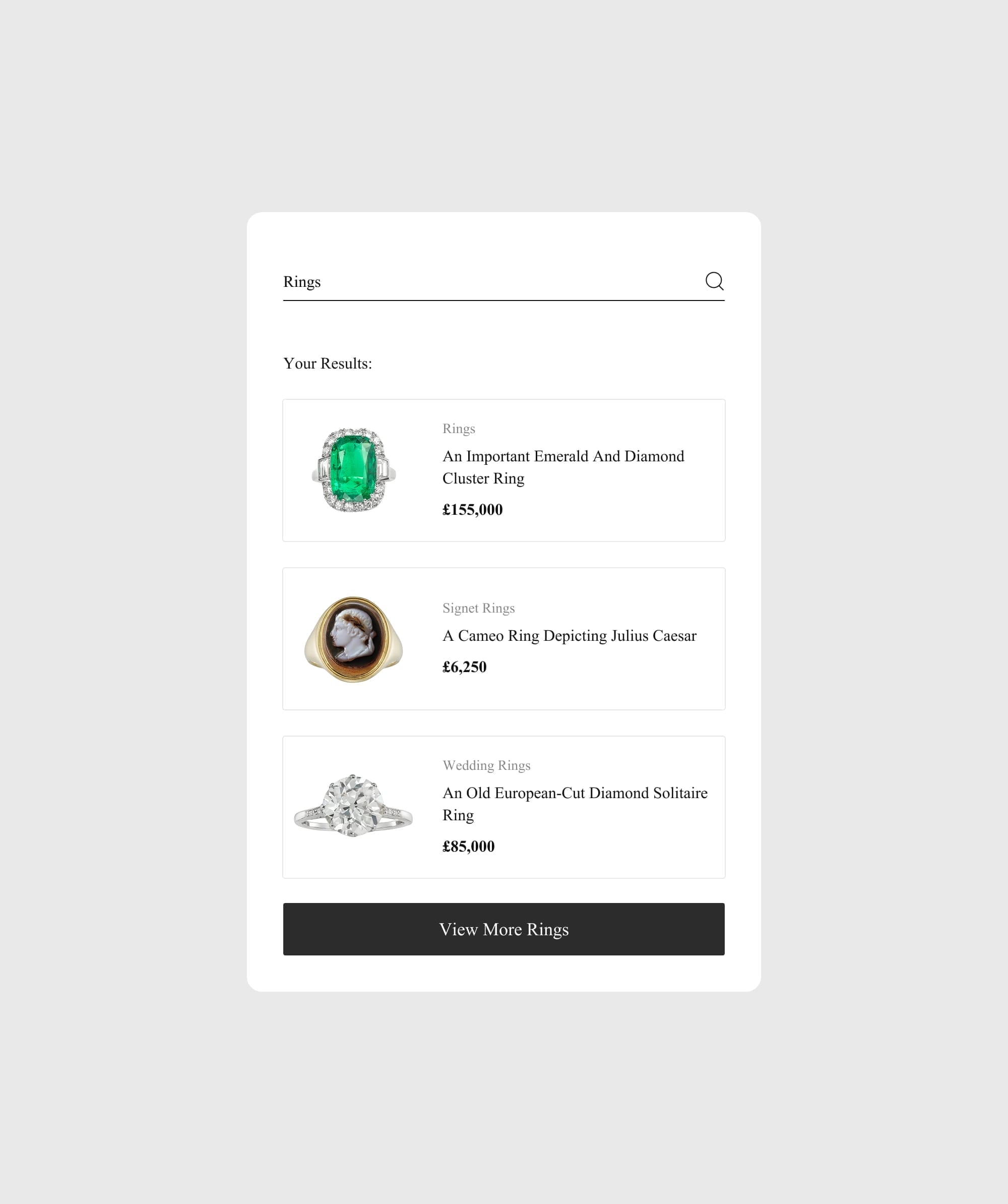
Want full control over your store design? See how we customised every touchpoint for Bentley & Skinner with WooCommerce.
Payment processing options
Payment processing is a critical aspect of eCommerce operations, including processing fees. Many platforms support a wide range of payment methods, including credit cards, e-wallets, and local payment solutions. BigCommerce, for example, allows integration with preferred payment gateways without fees or limitations, enhancing transaction flexibility for businesses. Assessing payment processing options ensures a smooth transaction experience for customers.
WooCommerce supports various payment gateways, providing customers with secure and convenient options. A reliable payment provider acts as a bridge between the customer, the platform, and financial institutions, ensuring seamless payment processing.
SEO tools
Effective SEO tools are crucial for enhancing online visibility by optimising product listings and website content. Examples include:
- WooCommerce, which allows for SEO optimisation of product pages, URLs, and meta tags to help stores rank higher in search engine results.
- Implementing 301 redirects to maintain visibility during platform transitions.
- Conducting thorough keyword research to support SEO efforts during and after platform changes.
SEO tools within eCommerce platforms can significantly enhance search visibility, making them essential during the migration process. Properly implemented redirects ensure that visitors and search engines are directed to the new URLs, preserving link equity.
Mobile responsiveness
Mobile optimisation is crucial, as most online shoppers now use mobile devices to browse and make purchases. Making sure your eCommerce site is mobile-responsive enhances user experience and increases conversion rates.
Most platforms provide built-in tools and themes designed to optimise mobile performance, ensuring your modern online store looks and functions well on all devices, showcasing the platform’s ability to enhance user experience.
Security measures
Strong security features are essential to protect sensitive customer information and maintain trust in the online shopping environment. Many eCommerce platforms offer SSL certificates, which encrypt data exchanged between the customer and the store, ensuring secure transactions.
Meeting PCI Compliance standards is also essential for safely processing payments and maintaining customer confidence.
eCommerce Solutions for Digital Products
Selling digital products such as ebooks, online courses, music, or software requires an eCommerce solution tailored to the unique needs of digital goods. Unlike physical products, digital products need secure delivery, licence management, and instant access for customers. Choosing the right eCommerce platform can streamline these processes and enhance the customer experience.
WooCommerce, a leading eCommerce website builder for WordPress, is a popular choice for selling digital products. It offers a wide range of extensions and themes designed specifically for digital sales, including tools for secure file delivery, customer access control, and automated updates. For businesses focused exclusively on digital goods, platforms like Easy Digital Downloads provide specialised features such as licence key generation, subscription management, and detailed sales analytics.
When evaluating eCommerce solutions for digital products, it’s important to consider robust payment processing options, reliable download management, and built-in tools that simplify product delivery and customer support. Features like automated email delivery, customisable checkout, and integration with third party apps can further enhance your eCommerce site’s functionality. By selecting an eCommerce platform with comprehensive support for digital products, you can ensure a seamless buying experience for your customers and drive business growth in the digital marketplace.
Enhancing Customer Experience
Improving customer experience is a key factor in eCommerce success. Key strategies include:
- Personalised email campaigns
- Optimised website performance
- Effective use of eCommerce analytics
These can significantly improve customer engagement and satisfaction. Attracting and engaging new shoppers through integrated marketing and advertising channels is also essential for boosting sales and expanding your customer base.
Here are specific strategies to enhance customer experience.
User-friendly navigation
Clear and intuitive site navigation is essential for helping customers easily locate products and product descriptions. Effective navigation can reduce frustration, leading to a more pleasant shopping experience and greater customer satisfaction and loyalty.
An easy-to-navigate eCommerce site enhances the overall user experience and encourages repeat visits.
Fast loading times
Optimising images and reducing server response times are key for achieving faster loading speeds for eCommerce sites. Implementing a CDN (Content Delivery Network) can further reduce latency and improve load times.
Fast loading times are crucial as they directly affect user experience and conversion rates, ensuring quick page loads enhances overall customer satisfaction.
Personalised shopping experiences
Personalised shopping experiences are crucial for increasing customer satisfaction and engagement in eCommerce. Using customer behaviour data allows eCommerce platforms to:
- Tailor product recommendations, enhancing user engagement.
- Use AI product recommendations to increase average order value by suggesting related products at checkout.
- Drive sales and loyalty through these tailored suggestions.
Dynamic pricing strategies, tailored to customer profiles, can further enhance engagement. Personalised product recommendations and dynamic pricing elevate the shopping experience, drive sales, and foster long-term loyalty.
Managing Your eCommerce Store
Effective management of your eCommerce store is essential for smooth operations and customer satisfaction. Regular website maintenance, including updates and performance checks, keeps your site secure and functional. Some platforms also enable seamless management of both your online store and physical store, supporting omnichannel retail operations.
Here are key aspects of managing your eCommerce store.
Inventory management
Effective inventory management is essential for maintaining stock levels, minimising costs, and meeting customer demand in eCommerce. BigCommerce, for example, handles thousands of SKUs and syncs inventory across multiple marketplaces, enabling seamless management and tracking.
This helps avoid over-selling and ensures consistent stock levels across different platforms.
Order fulfilment
Automated systems streamline order processing and shipping carriers, ensuring timely deliveries. Services like Royal Mail’s Click & Drop automate the dispatching of orders, making the fulfilment process more efficient.
Proper fulfilment management involves processing shipping information and printing labels, saving time and ensuring successful order management fulfilment.
Customer support
Offering customer support through live chat, email, and phone is essential for meeting diverse customer needs. A unified customer support platform streamlines communication across channels, improving response times and enhancing customer experience.
Faster response times enhance customer experience and contribute to higher retention rates.
Marketing and Sales Strategies
Comprehensive marketing strategies are essential for eCommerce success. These strategies are especially crucial for businesses looking to sell online and reach a wider audience. Using social media, email marketing, and multi-channel selling can significantly enhance your brand’s visibility and sales.
Here’s a detailed look at these strategies.
Social media integration
Integrating social media with your eCommerce platform can significantly enhance your brand’s visibility and sales. Choosing the right social media platforms is critical, as each offers distinct advantages and audience demographics that can influence your eCommerce strategy.
Social media platforms also provide essential tools for creating personalised ads that resonate with your target audience.
Email marketing
Email marketing is one of the most effective strategies for engaging customers and driving sales. Personalised email campaigns can improve engagement rates and retention by tailoring content to individual customer preferences.
Wix offers customised, designed emails specifically for promotions, making it easier to create engaging email campaigns.
Multi-channel selling
Integrating with multiple sales channels, including social media and major marketplaces, can maximise visibility and reach for products. Employing third-party platforms for international selling can broaden your reach, attract new customers, and increase sales opportunities.
Utilising inventory management software can synchronise stock data across different sales channels, preventing overselling and ensuring consistent stock levels.
Migrating to a New eCommerce Platform
Migrating to a new eCommerce platform can be a daunting task, but having a structured plan in place can prevent disruptions and ensure a smooth transition. Planning the migration process involves understanding the functionalities and features of the new platform and creating a detailed migration plan to manage expectations and timelines effectively.
Data migration
Data migration is crucial for ensuring that all product data, customer information, and order history are accurately transferred to your new eCommerce platform.
Ensuring accurate data transfer is essential for maintaining business continuity and customer satisfaction.
SEO preservation
Maintaining search engine rankings during a migration is crucial to ensure continued organic traffic. SEO tools within eCommerce platforms can significantly enhance search visibility and are essential during the migration process.
Ensuring data integrity during migration, including proper handling of URLs and redirects, is vital to avoid disruptions in SEO performance.
Testing and launch
Thorough testing of the new platform before launch is essential to identify any issues that could negatively impact user experience. Testing should include verifying payment processing functionality to avoid transaction issues at launch. Conducting test orders can help ensure that all functionalities operate correctly before going live.
Summary
Choosing the best eCommerce platform for your online store in 2025 involves understanding your specific business needs, exploring popular platforms, and identifying key features that enhance operational efficiency and customer experience. From WooCommerce’s flexibility and customisation to Shopify’s user-friendly interface and BigCommerce’s robust SEO tools, each platform offers unique benefits that cater to different business requirements.
Ultimately, the right eCommerce platform should support your business growth, provide a seamless shopping experience, and offer the tools needed to manage your store effectively. By considering factors like budget, scalability, and customer experience, you can make an informed decision that aligns with your business goals. Remember, the journey to eCommerce success is continuous, and choosing the right platform is the first step towards building a thriving online store.
Frequently Asked Questions
What is the best eCommerce platform for small businesses?
WooCommerce stands out as the best eCommerce platform for small businesses because it offers flexibility and customisation at no monthly fees or transaction charges. This makes it a perfect choice for startups looking to thrive within budget constraints!
How important is scalability when choosing an eCommerce platform?
Scalability is essential when choosing an eCommerce platform; it ensures your business can grow without performance issues. Opt for platforms like WooCommerce, Shopify, or BigCommerce to confidently manage increased traffic and sales.
What are some key features to look for in an eCommerce platform?
Look for customisation options, various payment processing solutions, SEO tools, mobile responsiveness, and strong security measures in an eCommerce platform. Prioritising these features will set your online store up for success!
How can I enhance the customer experience on my eCommerce site?
To enhance the customer experience on your eCommerce site, focus on personalised email campaigns, optimise your website for speed, and ensure clear navigation. By creating a fast, intuitive, and tailored shopping experience, you can significantly boost customer engagement and satisfaction!
What should I consider when migrating to a new eCommerce platform?
Consider having a structured plan for data migration that preserves your SEO rankings, and conduct thorough testing of the new platform before going live. This preparation is key to ensuring a seamless transition and success in your eCommerce journey.